Health & Food
Bangladesh dengue admissions pass 100,000 as annual toll reaches 307
The official tally is nearing last year’s full-year admission count, but it tracks people treated in hospitals—not every dengue infection in the country.
Executive summary
- The latest tally: Bangladesh’s Directorate General of Health Services reported 101,442 cumulative dengue hospital admissions and 307 deaths from Jan. 1 through Oct. 12. It recorded 2,167 new admissions and four deaths in the latest 24-hour reporting period, ending at 8 a.m. Monday local time.[1][2]
- A near-yearly benchmark: The latest cumulative admission tally is close to the 102,861 cases reported for all of 2025. September was the deadliest month so far in 2026, with 148 deaths, according to the DGHS data.[1][3]
- What the tally measures: The DGHS dashboard labels these totals as affected patients admitted to hospitals. They are a measure of reported hospital burden, not a census of all infections; people who were not diagnosed or admitted are not represented in the total.[1]
Bangladesh’s Directorate General of Health Services (DGHS) reported 2,167 new dengue admissions and four deaths in the 24 hours ending at 8 a.m. on Oct. 12. Those figures brought the year-to-date totals to 101,442 hospital admissions and 307 deaths, according to the directorate’s daily dashboard and reporting by The Daily Star.[1][2]
The crossing of 100,000 marks a large burden on hospitals, but the cumulative count is not an estimate of every infection in Bangladesh. The DGHS dashboard breaks down patients it calls “affected (admitted),” so it reflects dengue patients recorded through hospital admission. People who do not seek hospital care or are not diagnosed would not appear in that figure.[1]
The 2026 total is approaching the 102,861 dengue cases reported for all of 2025, when 413 deaths were recorded, according to Bangladesh Sangbad Sangstha’s report of DGHS figures. That comparison indicates how quickly the hospital tally has accumulated this year; it does not establish that the final 2026 total will exceed last year’s count.[3][1]
The DGHS dashboard records 148 dengue deaths in September, more than in any other month so far this year. It shows 43 deaths in August, 36 in July, 13 in June, and five from January through May. The four deaths in Monday’s latest daily report were all recorded in the Dhaka South City Corporation area, The Daily Star reported, citing the health directorate.[1][2]
The daily count moved down from 2,193 admissions reported for the preceding 24-hour period, which was the highest daily figure cited in the recent reporting. A lower one-day total does not by itself show that the outbreak is receding; the cumulative admissions and deaths continued to rise in Monday’s bulletin.[1][4]
The DGHS reported 5,834 dengue patients in hospitals nationwide in Monday’s data, The Daily Star said. That is a point-in-time count of people receiving hospital treatment, distinct from the 101,442 cumulative admissions since January.[2][1]
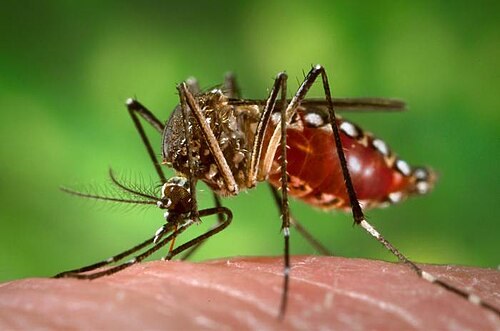
Dengue is transmitted by infected Aedes mosquitoes. Bangladesh’s hospital totals provide a consistent daily measure of severe disease reaching medical facilities, but they cannot show the full spread of infection or explain which factors caused the latest rise. The dashboard is a reporting source, not an independent epidemiological assessment.[1][5]
The World Health Organization says dengue prevention relies on reducing mosquito breeding sites and avoiding bites, while clinical care focuses on recognizing warning signs and managing severe illness. Its guidance does not provide a Bangladesh-specific explanation for the 2026 admission pattern. This report therefore distinguishes the directorate’s verified counts from broader claims about why the outbreak is unfolding.[5]