World Affairs
U.S. sanctions Iran’s auto, rail firms and overseas suppliers
The designations reach two automakers Treasury says account for more than 90% of Iran’s domestic market, state rail companies and foreign suppliers. Their broader effects remain uncertain.
Executive summary
- The action: The U.S. Treasury announced new sanctions on Oct. 1 covering Iran’s automotive and rail sectors and named companies in those industries, as well as overseas suppliers and intermediaries.[1][2]
- Why the sectors matter: Treasury says Iran’s largest automakers account for more than 90% of the domestic market and that the rail network has helped move oil and sustain trade during the U.S. maritime blockade. Those are the government’s stated assessments, not independent measures of the sanctions’ effects.[1][3]
- The unresolved cost: Reuters quoted a sanctions specialist warning that pressure on economic networks can affect ordinary livelihoods. The reporting does not yet measure how the new designations will affect workers, consumers or trade.[3]
The U.S. Treasury on Thursday added Iran’s automotive and rail sectors to its sanctions campaign and designated companies operating in them, including the automakers Iran Khodro and SAIPA and three rail operators. The department also named overseas suppliers and firms it accused of helping Iranian industries obtain parts, metals or financing.[1][2][3]
Treasury issued sectoral determinations under Executive Order 13902 and said the named entities were being designated under that order and, for parts of the metals network, Executive Order 13871. The department says U.S.-held property of designated parties is blocked and U.S. persons are generally barred from transactions involving it unless an authorization or exemption applies.[1]
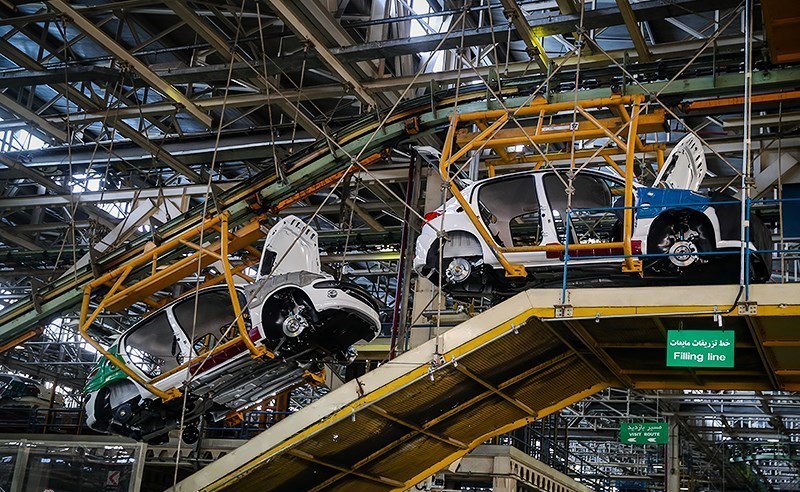
Iran Khodro and SAIPA are the country’s two largest automakers. Treasury says together they represent more than 90% of Iran’s domestic auto market and produce nearly 1.5 million vehicles a year. It also designated subsidiaries and motorcycle maker Niroo Motor Shiraz, citing alleged links to the Islamic Revolutionary Guard Corps and other activity; those assertions are the U.S. government’s stated basis for action.[1][2][3]
The railway designations include the state-owned Islamic Republic of Iran Railway Company, passenger operator Raja and a private freight company. Treasury says rail has become more important for moving oil and sustaining trade while a U.S. maritime blockade constrains Iranian ports. Reuters reported that the new measures also reach foreign companies supplying Iran’s auto industry.[1][3]
The action also names manufacturing and metals companies and people tied by Treasury to steel, oil and financial networks. Taken together, the list extends beyond the firms that build cars or run trains to overseas intermediaries accused of supplying materials or facilitating transactions.[1][2][3]
The Treasury presented the measures as a way to cut revenue and restrict sanctions evasion. Associated Press reported that the administration is continuing its financial pressure even as negotiations between Washington and Tehran have restarted. The new designations do not by themselves show whether the campaign will change Iran’s policies or how much additional trade it will stop.[1][2]
Reuters quoted sanctions specialist Brett Erickson warning that squeezing economic networks can also affect people whose livelihoods depend on them. The available reporting does not quantify any resulting job losses, price changes or disruptions from this round, so the scale of any civilian impact remains uncertain.[3]