Business & Markets
U.S. inflation accelerates to 3.7% as gasoline drives September jump
The BLS said gasoline rose 9.1% in its index, helping push headline inflation higher. Core prices also accelerated over the year, and inflation-adjusted hourly pay declined.
Executive summary
- Headline inflation picked up: The consumer price index for all urban consumers rose 0.6% in September on a seasonally adjusted basis and 3.7% over 12 months, up from 3.4% in August, the Bureau of Labor Statistics reported.[1][2]
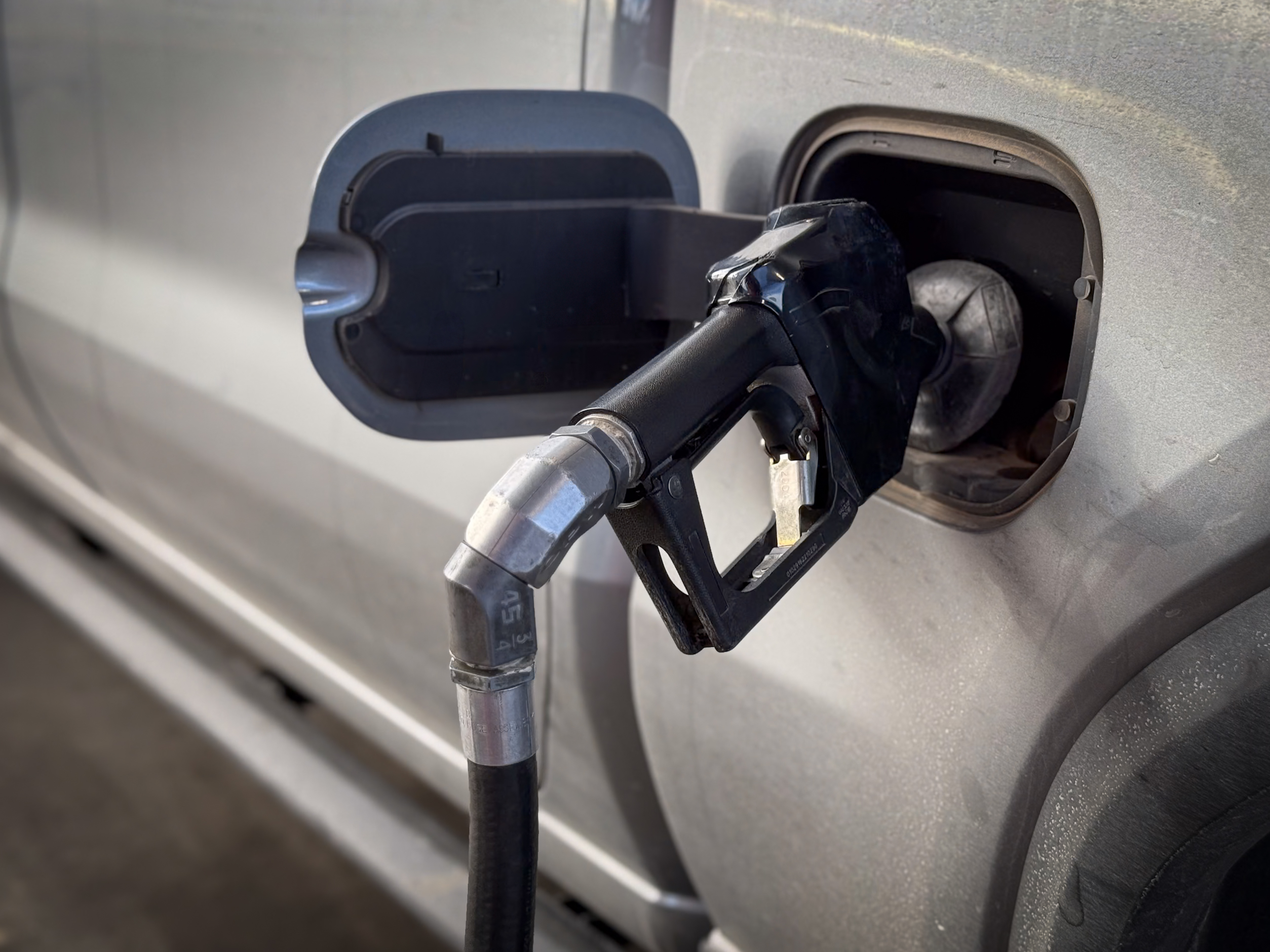
- Gasoline drove much of the monthly rise: The BLS gasoline index rose 9.1% in September and accounted for more than half of the monthly all-items increase. The index for food at home edged down 0.1%, while shelter rose 0.4%.[1][2]
- Core prices and real pay: The index excluding food and energy rose 0.3% in September and 2.6% over the year. BLS data also show real average hourly earnings fell 0.5% over the month and 0.7% over 12 months.[1][3][2]
The consumer price index for all urban consumers increased 0.6% from August to September on a seasonally adjusted basis, after rising 0.4% the month before. The index was 3.7% higher than a year earlier, compared with a 3.4% annual increase in August, the Bureau of Labor Statistics reported.[1][2][4]
The monthly increase matched the median forecast in a Reuters poll, while the 3.7% annual rate exceeded the 3.6% economists had expected, Reuters reported. The BLS index measures average price changes across a basket of goods and services; it does not mean every household experienced the same increase.[1][4]
The BLS gasoline index climbed 9.1% in September, accounting for over half of the monthly rise in the all-items index. The broader energy index rose 5.2%. These are CPI index changes, not a measure of what every driver paid at an individual station.[1][2]
Price increases were not limited to fuel. Shelter rose 0.4% and airline fares 1.2%, while the food index was unchanged and grocery prices fell 0.1% for the month. The pattern shows how a large energy move can lift the headline measure even as some household categories remain flat or decline.[1][2]
Prices excluding food and energy rose 0.3% in September, matching August’s monthly increase. The core index was 2.6% higher than a year earlier, up from 2.4% in August. The core measure removes food and energy categories; it does not remove all price pressures linked to those costs elsewhere in the economy.[1][2]
BLS reported that real average hourly earnings for all employees fell 0.5% from August to September after adjusting for the 0.6% CPI increase. They were down 0.7% from a year earlier. This compares average hourly earnings with the CPI; it is not a measure of each worker’s pay or total household income.[3][2]
The September report is one month of data and cannot establish whether inflation will continue to accelerate. The BLS scheduled its October CPI release for Nov. 10, leaving the next report to show whether fuel pressure persists and whether price increases broaden further.[1]