Technology & Science
Ukraine says Starlink service is returning after drone missions were disrupted
Ukrainian units reported canceled missions and brief losses of drone control after an overnight speed restriction. Fedorov’s Oct. 14 update described a partial return; Ukraine later reported full-speed restoration on Oct. 24.
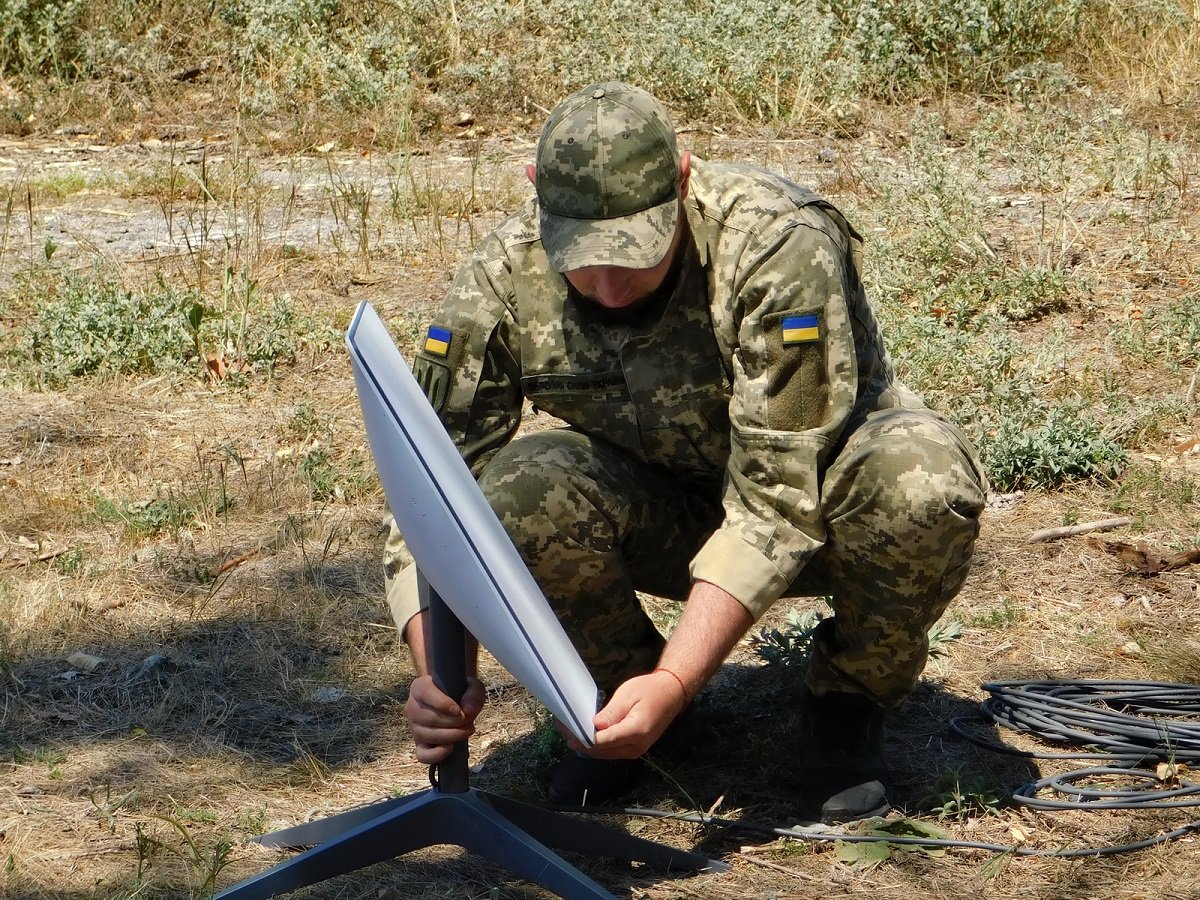
Executive summary
- Ukraine reports partial restoration: Former defense minister Mykhailo Fedorov said on Oct. 14 that Starlink operation at speeds up to 160 km/h was being restored and that strike and interceptor drones should fly again. He said work remained to remove the speed restriction on Starshield entirely.[1][2]
- Units reported mission disruptions: Before Fedorov's update, Ukraine's 7th Rapid Reaction Corps told Reuters that some missions were canceled and connections could drop for 10 to 20 seconds at 110–120 km/h. Ukrainian outlets also quoted the corps' press service describing the overnight disruption.[3][4]
- Cause and full scope remain unclear: Ukrainian officials attributed the change to SpaceX, but the company had not immediately commented in Reuters' reporting. Fedorov's post describes a partial restoration, not removal of the higher-speed Starshield restriction; the technical scope and cause were not independently confirmed.[1][3][5]
This article records what Ukrainian officials said on Oct. 14. On Oct. 24, Ukraine’s Defense Ministry said its monitoring showed stable Starlink and Starshield connections above 400 km/h, and President Volodymyr Zelenskyy said speeds had returned to pre-restriction levels. The later statements supersede the partial-restoration status described below; the dispute over who changed which service and why remains unresolved. Read our follow-up on the restoration and competing accounts.[6][7][8]
Mykhailo Fedorov said Wednesday evening that Starlink connectivity at speeds up to 160 km/h (about 100 mph) was being restored in Ukraine. In a post on X, the former defense minister said strike and interceptor drones should be able to fly again, while adding that work was still needed to remove the speed limit on Starshield altogether. His statement describes a partial return of service, not a confirmed end to the higher-speed restriction.[1][2]
The announcement followed reports that SpaceX had imposed an in-motion speed restriction on military Starshield terminals overnight. Serhii Beskrestnov, an adviser to Ukraine's president on defense technology, said the cap was 100 mph and that Ukrainian forces had not received advance notice. Reuters separately reported that Ukraine's 7th Rapid Reaction Corps observed connection drops and canceled missions. A later Ukrainska Pravda update, citing volunteer Serhii Sternenko, said Ukrainian military personnel were reporting connection losses at 60–70 km/h; that changing threshold was not independently measured in the reporting reviewed. SpaceX did not immediately respond to Reuters' request for comment, and no company explanation or technical record confirming the restoration was available in the reporting reviewed.[3][9][10][1]
The 7th Rapid Reaction Corps told Reuters that, in its observations, drone connections could drop for 10 to 20 seconds at speeds of 110–120 km/h, making aircraft harder to control, and that some missions were canceled. Hromadske, citing the corps' press service, reported that one unmanned-systems unit in the corps' area had to cancel missions after the overnight problems. The Defense Ministry was gathering information from units and checking backup communications, according to sources quoted by Ukrinform and Ukrainska Pravda.[3][4][5][11]
The reported impacts covered more than long-range attack drones: Ukrainian officials also cited interceptor drones, frontline logistics, reconnaissance and communications relays. Those operational effects are attributed to Ukrainian military and government sources; the available coverage did not provide independent telemetry quantifying how many terminals or missions were affected. Reports also differed on the speeds at which individual connections dropped, suggesting that the restriction's behavior may vary by equipment or unit.[3][5][11]
Fedorov's update said connectivity up to 160 km/h was returning but called for the Starshield speed limit to be removed altogether. That distinction matters for faster platforms: the reported restoration does not establish that terminals will remain connected above the stated threshold, that every unit has regained service, or that canceled missions have resumed. Ukraine's Defense Ministry was in contact with SpaceX, U.S. and NATO partners and was checking backup channels, Ukrainian agencies reported, but the cause of the change remained unconfirmed.[1][2][5]
Starlink has become a key communications tool for Ukrainian forces, including drone operations and frontline logistics, Reuters and AP reported. Ukrainian officials have suggested the restriction could be connected to the wider political climate, but the reporting reviewed did not establish SpaceX's reason. The available evidence supports an account of a reported restriction followed by a partial restoration announcement; it does not establish that the change was intended to influence Ukraine's military or political choices.[3][9][1]