World Affairs
UK-German treaty takes effect alongside security partnership
The treaty reaffirms mutual assistance in the event of an armed attack, while a separate initiative calls for information-sharing and coordinated action against hybrid threats.
Executive summary
- Treaty enters into force: Britain and Germany exchanged ratification instruments on Oct. 8, bringing their July 2025 Friendship and Bilateral Cooperation Treaty into force, according to the treaty's entry provision and the two governments.[1][2][3]
- A bilateral assistance commitment: Article 3 says the countries will assist one another, including by military means, in the event of an armed attack. It does not prescribe an automatic military response or replace their NATO commitments.[1]
- Separate counter-hybrid initiative: Alongside the treaty, the governments announced a partnership to share information and coordinate efforts against sabotage, cyberattacks and other hybrid threats to critical infrastructure.[3][4][5]
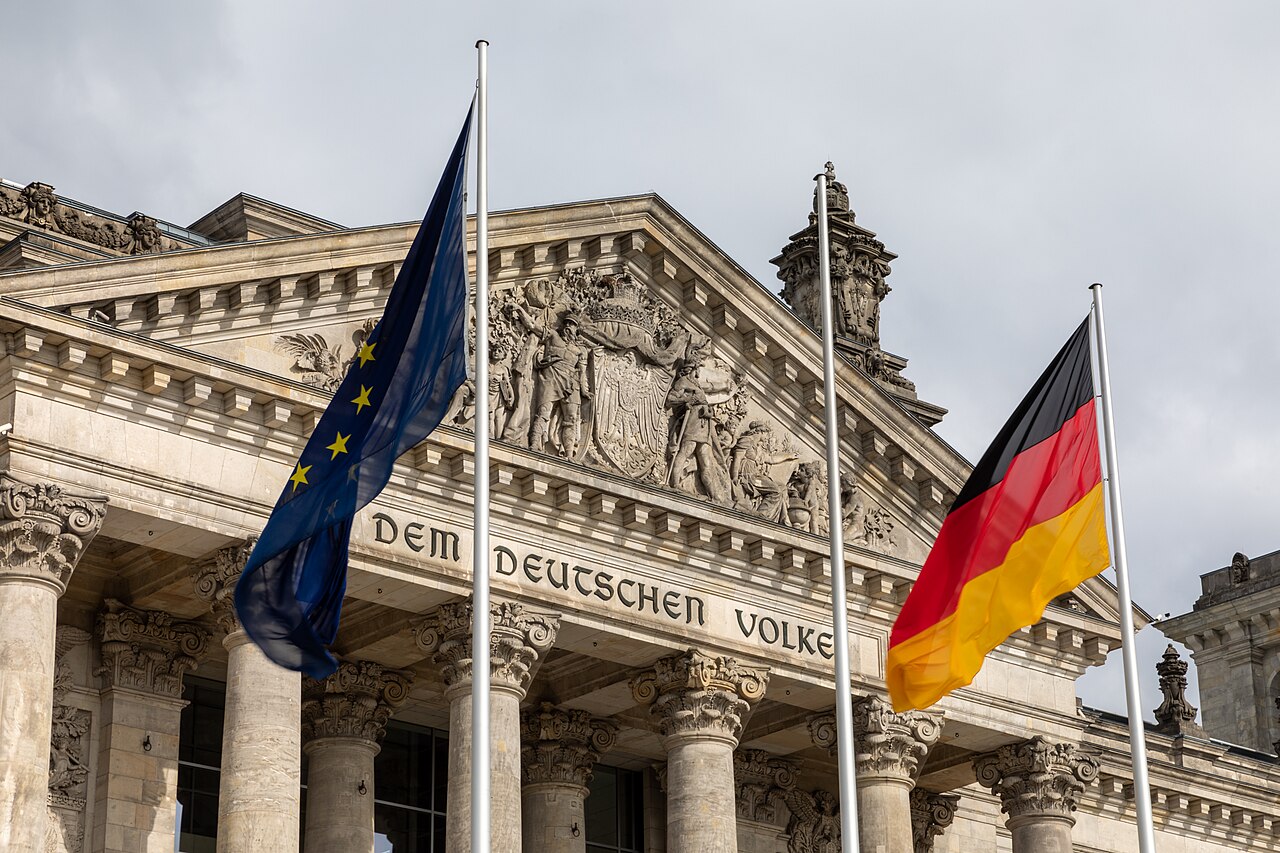
The United Kingdom and Germany exchanged instruments of ratification on Oct. 8, bringing the Kensington Treaty on Friendship and Bilateral Cooperation into force. The governments signed the agreement in July 2025. Germany's government had previewed the exchange for Thursday during Prime Minister Andy Burnham's visit to Berlin, and the UK government confirmed that the treaty was formally ratified that day.[1][2][3]
The treaty sets a broad framework for cooperation in foreign and security policy, defense, economic resilience, science and other areas. Its entry-into-force clause says it takes effect on the date the two countries exchange ratification instruments.[1]
Article 3 reaffirms both countries' obligations as NATO members and says they shall assist one another, including by military means, in the event of an armed attack on either. The provision is a bilateral commitment alongside NATO; the treaty does not set out an automatic response, its timing or the form assistance must take.[1]
The text also calls for regular consultations and cooperation on security. The governments describe the agreement as a wider bilateral framework rather than a replacement for their existing alliance arrangements.[1][4]
The two governments announced a separate counter-hybrid partnership alongside the treaty's entry into force. They said it would improve information-sharing and coordinate efforts to monitor, deter and disrupt sabotage, cyberattacks and other threats to critical infrastructure. The UK announcement singled out Russia as a particular concern; that is the British government's assessment.[3][4][5]
The announcements reviewed did not set out a budget, public timetable or detailed operating structure for the new partnership. The treaty's general cooperation provisions and the separate security initiative therefore describe commitments and aims, not a newly announced joint command or a specific operational deployment.[3][1][4]
Separately, the UK government said Burnham had asked security chiefs to establish a National Centre for Information Defence to detect, attribute and disrupt hostile state information attacks, including disinformation and deepfakes. The announcement described a planned body but did not give a launch date or operating details.[3]