World Affairs
UK adds 38 Russia sanctions targets, including 12 oil tankers
London says its sanctions now cover more than 90% of Russia’s oil-production capacity. That is a government estimate, not a measure of barrels already blocked.
Executive summary
- 38 additions to the Russia regime: The UK’s Oct. 8 sanctions notice lists 38 additions and two variations. The government’s updated list classifies 26 of the additions as designations and 12 as specified ships.[1][2]
- Oil, finance and military supply chains: The package includes two Russian oil companies, 12 tankers, crypto exchanges and payment platforms, and suppliers of goods the UK, U.S. and EU regard as important to Russia’s military production.[3][1][4]
- The stated reach is not an output figure: The Foreign Office says UK sanctions now cover more than 90% of Russia’s oil-production capacity. The announcement does not show that this capacity has stopped producing or that the same share of exports is blocked.[3][1]
The United Kingdom added 38 entries to its Russia sanctions regime on Oct. 8, according to the government’s notice. The accompanying UK Sanctions List update breaks those additions into 26 designated people or entities and 12 specified ships. It also records two variations to existing entries, which are changes rather than new targets.[1][2][5]
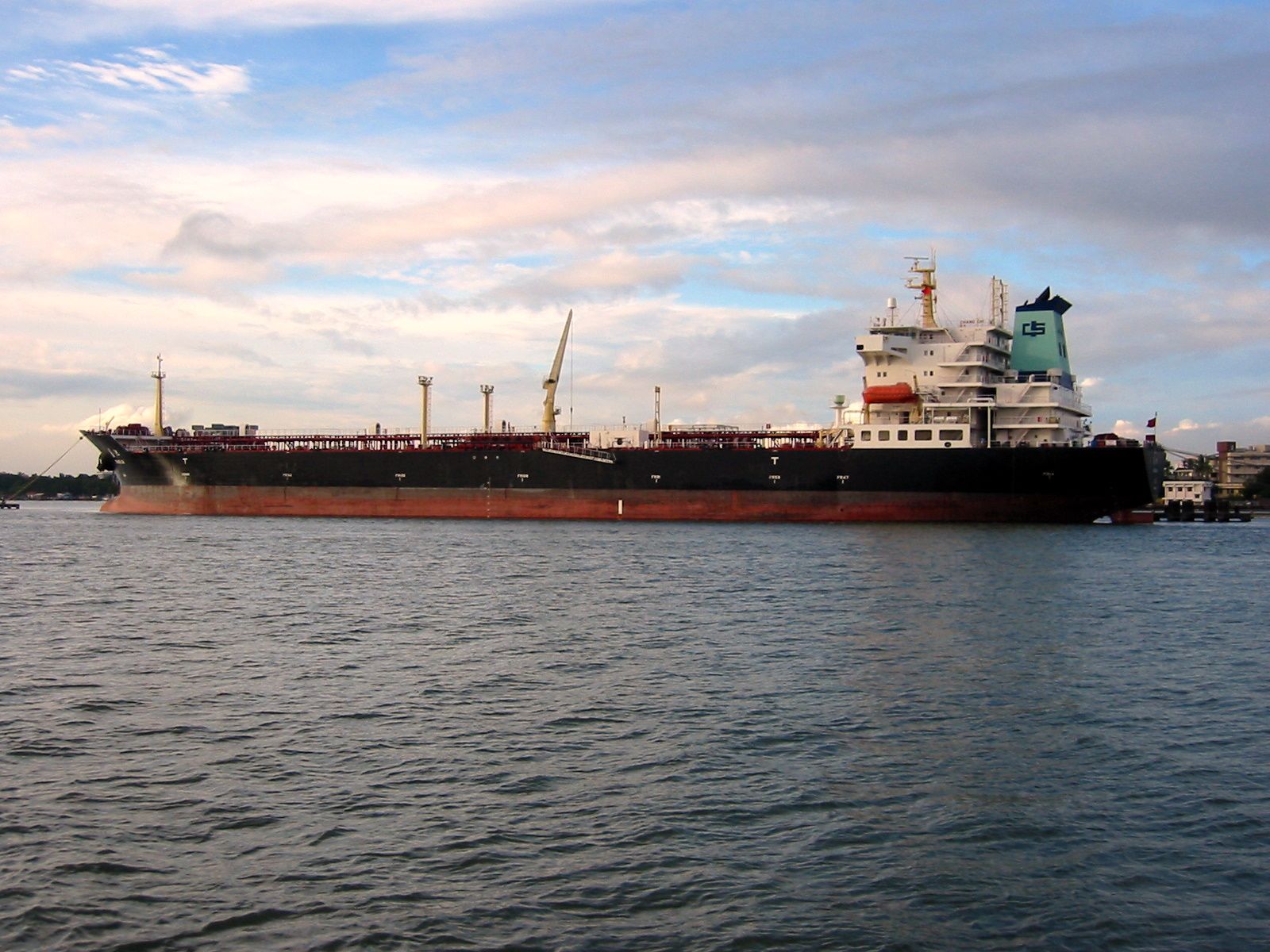
The Foreign, Commonwealth and Development Office named oil companies Zarubezhneft and INK Capital, and said it was adding 12 tankers it describes as part of Russia’s shadow fleet. The announcement also describes measures against crypto exchanges, payment platforms and 17 people or entities linked to goods used in missile, drone and other military production. These categories describe the package’s scope and are not a separate count to add to the 38 entries.[3][1][4]
The notice shows that the legal measures vary. Some company and individual entries carry asset freezes or restrictions on trust services and directors; some financial targets also face limits on correspondent banking or payment processing. The ships are specified under separate transport and services rules. The designation of a company, person or vessel does not by itself establish a drop in oil output or a disruption to a particular shipment.[1][2][5]
The UK says the latest designations bring more than 90% of Russia’s total oil-production capacity under its sanctions. That is the government’s measure of covered capacity. The announcement provides no independent calculation of the figure and does not say that 90% of Russian oil production or exports has ceased.[3][1]
The practical effect will depend on how the restrictions are enforced and on the companies, financial intermediaries and shipping services that comply with them. The UK’s release says more than 600 shadow-fleet vessels are now sanctioned by Britain, but neither the release nor the notice measures how much oil the new entries will prevent from reaching buyers.[3][1][4]
Reuters reported that Russia’s embassy in London dismissed the sanctions as ineffective. The embassy’s response is a government position; no post-announcement trade data were available in the reporting reviewed to assess the package’s effect.[4]