World Affairs
UAE prosecutor says Flydubai co-pilot attempted a ‘terrorist act’
The Oct. 3 statement is the first public account from UAE prosecutors to describe the Sept. 30 cockpit attack as an attempted terrorist act. The attorney general says evidence reviews and work to establish motive and connections continue.
Executive summary
- What the prosecutor says: UAE Attorney General Hamad Saif Al Shamsi said the Public Prosecution's investigation found that the co-pilot of Flydubai flight FZ1073 attempted a terrorist act. The attorney general said the co-pilot used a crash axe to attack the captain and tried to take control of the aircraft. These are findings attributed to the UAE investigation, which remains ongoing.[1][2][3]
- What remains open: The attorney general said investigators are still examining the incident's full circumstances, motives and possible connections, and are completing technical examinations of physical and digital evidence. He said final results would come after those procedures are complete; the statement is not a final court judgment.[1]
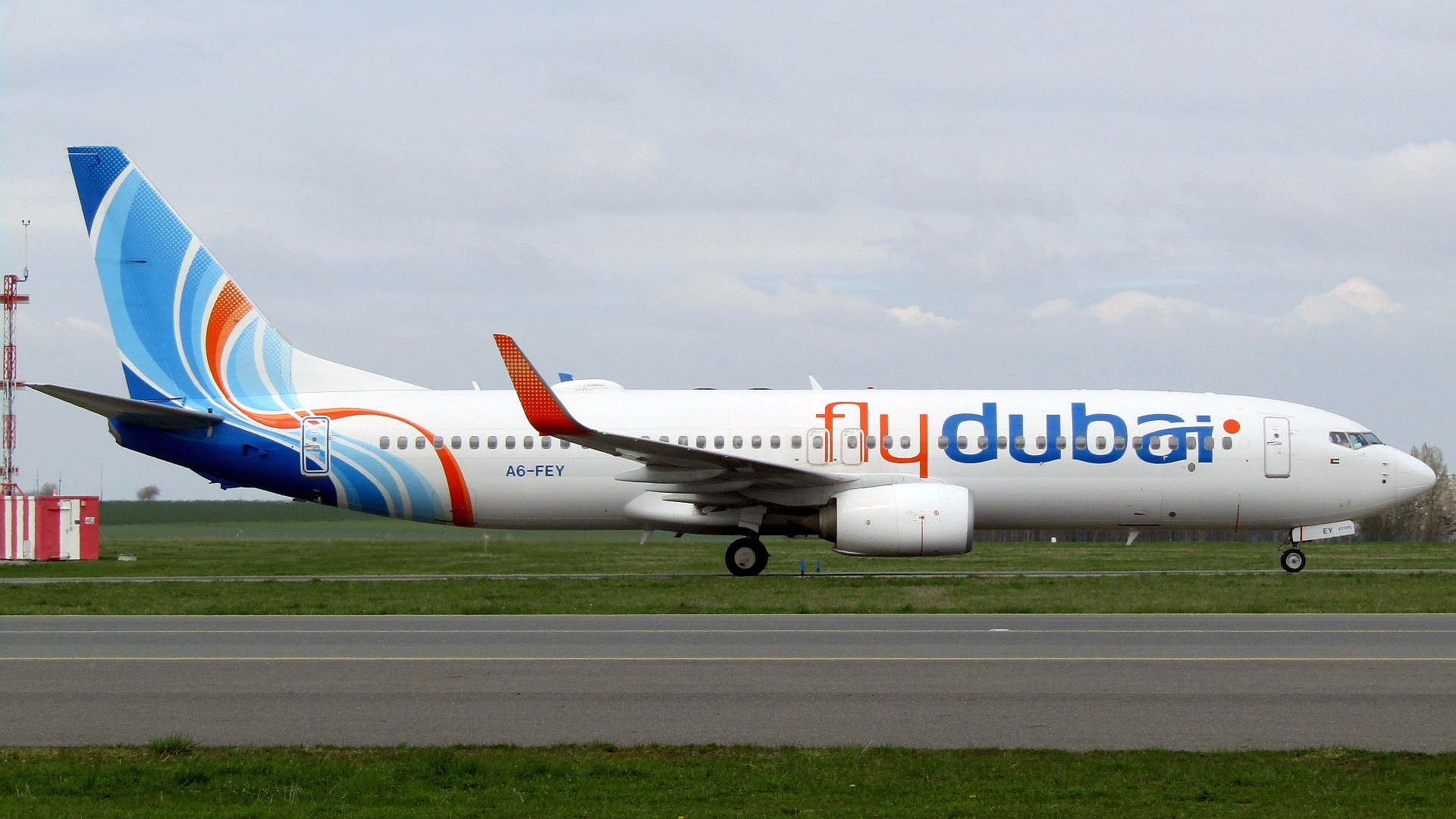
- The flight and reported response: Flydubai flight FZ1073 diverted to Tabuk, Saudi Arabia, during a Sept. 30 trip from Dubai to Tel Aviv. The airline said all aboard were safe and that crew and passengers helped secure the aircraft. Its latest statement counts 172 passengers and crew; AP has reported 182 people aboard, a discrepancy not reconciled in the accounts reviewed.[4][2]
UAE Attorney General Hamad Saif Al Shamsi said the investigation into Flydubai flight FZ1073 found that the co-pilot attempted a terrorist act. In a statement published by the state-run Emirates News Agency (WAM) on Oct. 3, Al Shamsi said the co-pilot attacked the captain with a crash axe inside the flight deck and tried to take control of the aircraft. The account is attributed to the UAE prosecutor; it has not been tested in a public court proceeding.[1][2][3]
That is a more definitive public characterization than the attorney general's Oct. 1 announcement, which ordered prosecutors to investigate the altercation and assess whether it involved terrorism or prior planning. Reuters and the Associated Press independently reported the new Oct. 3 account, which both attributed to the attorney general and WAM.[5][1][2][3]
The same Oct. 3 statement says investigators are still working to establish the full circumstances, motives and any links associated with the incident. It says technical examinations and analysis of physical and digital evidence are not complete, and that final results will be announced after the necessary procedures conclude.[1]
The statement does not identify the suspect, describe a wider network, announce charges or provide a final investigative report. Describing the event using the prosecutor's terrorism characterization does not independently establish a motive or settle questions beyond the facts the office has made public.[1][2]
Flydubai said FZ1073, traveling from Dubai to Tel Aviv on Sept. 30, diverted to Tabuk in Saudi Arabia after an incident in the flight deck. The airline said everyone aboard was safe, and its latest statement credited the on-duty crew and passengers who helped. The company said the event's underlying reasons and motives remain subject to the investigation.[4]
The airline's latest statement counts 172 passengers and crew aboard, while AP has reported 182 people. The public accounts reviewed do not reconcile the difference, so this report does not adopt either total as definitive. AP has also reported details from people speaking anonymously about the suspect's background; those claims are not included here because they are not part of the prosecutor's published statement.[4][2]