World Affairs
UAE prosecutor says Flydubai co-pilot tried to seize controls in ‘terrorist’ attack
The attorney general’s Oct. 3 account goes beyond the UAE’s initial order to investigate possible terrorism, calling the incident an attempted terrorist act. The inquiry is still examining motive, connections and physical and digital evidence.
Executive summary
- The new UAE account: The UAE attorney general said the prosecutor's investigation found that the co-pilot attempted a terrorist act, attacking the captain with a crash axe and trying to take the controls. This is the government's account of an ongoing investigation, not a final court judgment.[1][2][3]
- The flight and response: Flydubai said flight FZ1073 diverted to Tabuk, Saudi Arabia, after a cockpit altercation on its Sept. 30 trip from Dubai to Tel Aviv. The airline says all aboard are safe and that the aircraft was secured by on-duty crew traveling on the flight; AP has reported that 182 people were aboard, a count not reconciled in the airline statements reviewed.[4][3]
- What remains unsettled: The attorney general said investigators are still examining the incident's circumstances, motives, possible connections, and physical and digital evidence. The UAE has not announced final findings, and Flydubai has said the underlying reasons and motives remain subject to the official investigation.[1][4]
A new statement from UAE Attorney General Hamad Saif Al Shamsi says the Public Prosecution investigation found that Flydubai flight FZ1073's co-pilot attempted a terrorist act. The Emirates News Agency (WAM) reported that Al Shamsi said the co-pilot attacked the captain in the flight deck with a crash axe and tried to take control of the aircraft. Those are allegations and findings attributed to the UAE prosecutor, not an independently established account or a final court judgment.[1][3][2]
The account is a significant change from the attorney general's initial Oct. 1 announcement, which ordered a Public Prosecution team to investigate the incident and examine whether it involved terrorism or prior planning. In the Oct. 3 statement, the attorney general said investigators still needed to establish the full circumstances, motives and any related connections, and to complete technical examinations of physical and digital evidence. He said final results would follow when those procedures were complete.[5][1]
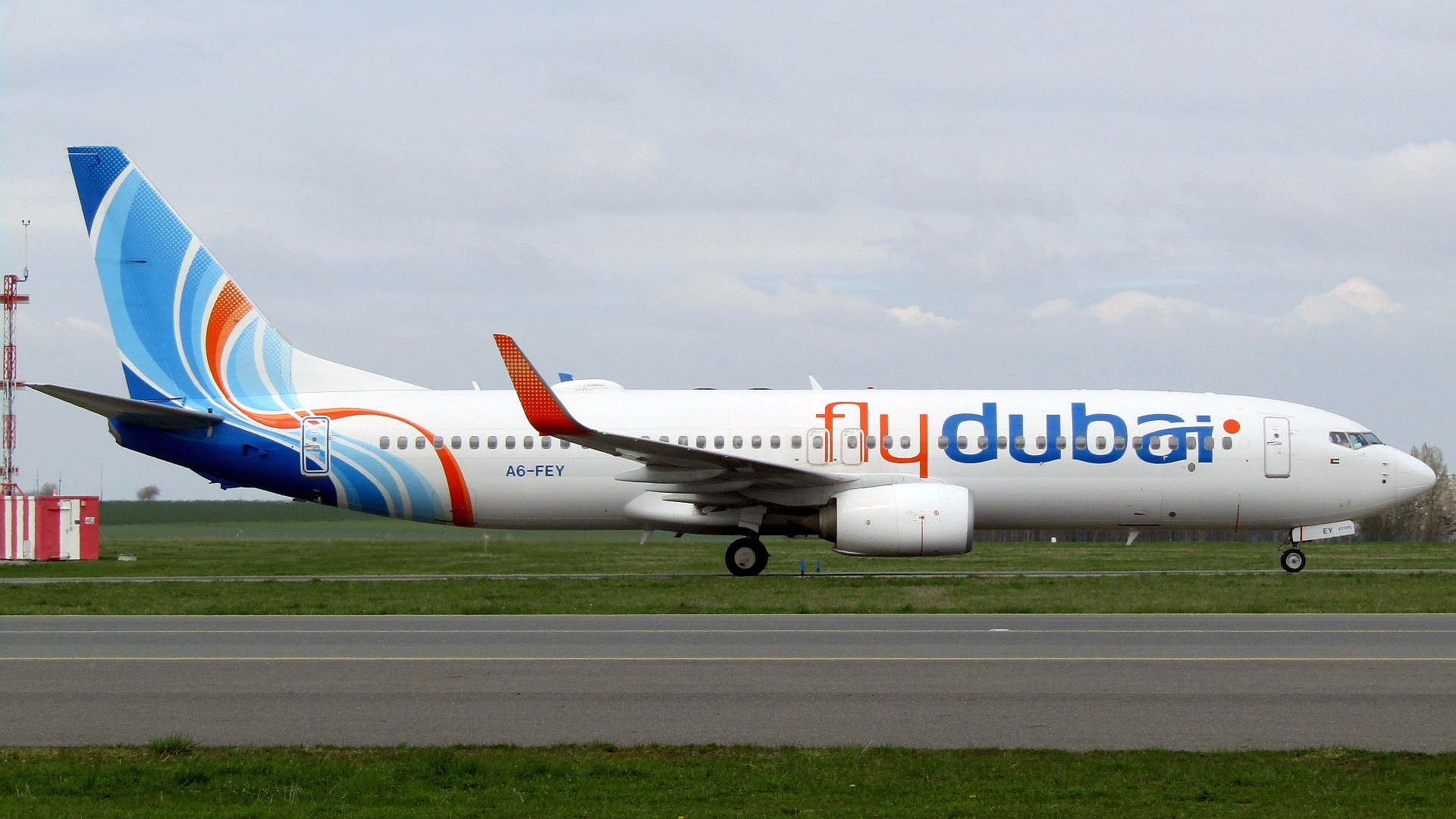
Flydubai said FZ1073 was diverted from its Dubai-to-Tel Aviv trip to Tabuk, Saudi Arabia, on Sept. 30 after a cockpit incident. The airline's latest statement says 172 passengers and crew were safe, including the captain, and credits the on-duty crew and passengers who helped. AP has reported that 182 people were aboard; the difference between those totals is not reconciled in the statements reviewed.[4][3]
The airline has said the incident's underlying reasons and motives remain under formal investigation and that flights to Israel were suspended at authorities' request. The latest prosecutor statement does not name the suspect or announce charges, and this report does not rely on claims about identity or background attributed to unnamed sources.[4][1]
The UAE statement describes an attempted terrorist act, but it also says investigators have not finished reviewing the physical and digital evidence or determining motive and any connections. No final investigative report, court finding or public charging document was linked in the statements reviewed for this update.[1][4]
The account therefore advances the public record about what UAE prosecutors say happened while leaving important questions open. It does not independently establish motive, identify any wider network, or resolve discrepancies in public descriptions of the number of people on board.[1][3][4]