World Affairs
Trump met Putin envoy, says he did not meet Ukraine delegation
A separate White House event brought Russian and Ukrainian representatives together to mark the Oleshky truce, with trilateral talks expected next week.
Executive summary
- Trump said he met Putin envoy Kirill Dmitriev at the White House on Thursday but not Ukraine's visiting delegation, and predicted a broad agreement involving Europe without describing its terms. [1][2][1][2]
- The encounter came during parallel U.S.-Ukraine-European talks in Brussels and ahead of U.S.-mediated trilateral talks with Russia and Ukraine in Abu Dhabi on Nov. 10–11. [1][2][3][1][2][3]
- Dmitriev and Ukrainian officials also attended first lady Melania Trump's event on a six-day Oleshky ceasefire; Kyiv later accused Russian forces of using the pause to improve military positions. [1][4][1][4]
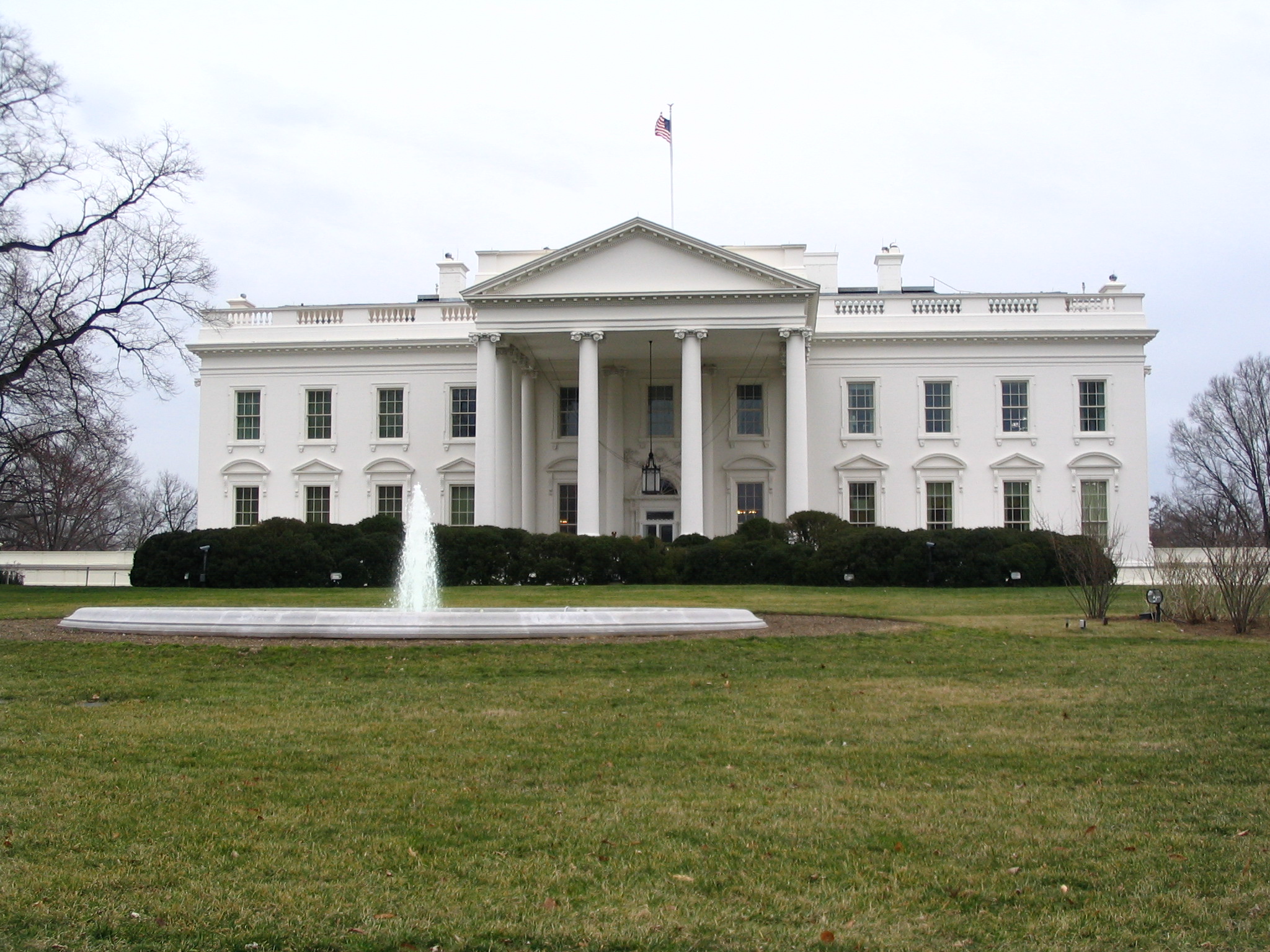
President Donald Trump said Thursday that he met Russian envoy Kirill Dmitriev at the White House but did not meet Ukraine's visiting officials, while predicting an agreement that could involve more than Ukraine and might include all of Europe. He gave no terms for the deal. [1][2][1][2]
Trump described the conflict as close to being settled and called the possible agreement “big” and “beautiful.” Reuters reported that Trump had repeatedly predicted a deal was close and that negotiations had picked up in recent weeks. The meeting was private, and Trump declined to explain what he and Dmitriev discussed; the White House had not immediately answered AP's question about why he did not meet the Ukrainian officials. [1][2][1][2]
The encounter happened on the same day U.S. envoys Jared Kushner and Steve Witkoff met Ukrainian, NATO and European officials in Brussels. Kushner said the agenda included security guarantees for Ukraine, regular security consultations, crisis communications, military transparency and measures to reduce escalation risks. A separate U.S.-mediated trilateral round with Russia and Ukraine was scheduled for Abu Dhabi on Nov. 10–11, the first such talks since February, AP and Reuters reported. [1][2][1][2]
The meeting was the first in-person contact between U.S. and Russian officials since Democrats won control of Congress in the midterm elections, Reuters reported. The new majority is expected to take office in January, press for more Ukraine aid and scrutinize the administration's Russian diesel deal and easing of some sanctions on Moscow. [2][2]
Trump did not attend the first lady's event, where Dmitriev, Russian human-rights commissioner Yana Lantratova, Ukrainian parliamentary faction leader Davyd Arakhamia and Ukraine's human-rights ombudsman Dmytro Lubinets appeared together. The White House said Melania Trump had brought the officials together to mark a localized ceasefire and humanitarian operation in Oleshky, a Russian-occupied city in Ukraine's Kherson region. [1][5][1][5]
Melania Trump said Russia and Ukraine signed written agreements on Oct. 23 establishing her role as intermediary and setting out the operation's terms. She said she helped plan the route, aid delivery and evacuation; the White House said she gave the delegations letters for Russian President Vladimir Putin and Ukrainian President Volodymyr Zelensky. [1][5][1][5]
The ceasefire ran from Oct. 27 to Nov. 1. The White House said nearly 800 people were evacuated. Ukrainian and Russian authorities have not published their own evacuation totals; Ukraine's ombudsman said an agreement restricted disclosure. [5][6][5][6]
About 2,000 people remained in Oleshky when the pause began, AP reported. Residents could leave for Ukrainian- or Russian-controlled territory or stay with food and medical supplies replenished. The city had no electricity, heat or running water, and supplies had been scarce for months, AP reported. [1][1]
The truce's military effects were disputed. Ukraine's General Staff said Russian forces used the pause to rotate troops, strengthen defenses and improve logistics. Kremlin spokesman Dmitry Peskov said he had no specific information about movements but assumed Ukraine had also used the pause to regroup. Ukraine's ombudsman said both sides had upheld their obligations. [4][4]
Ukrainian President Volodymyr Zelensky said Nov. 3 that team-level trilateral talks were expected to resume on Nov. 10–11 and argued Europe must take part in the peace process. He also said Kyiv had proposed continuing and expanding the Oleshky pause. [3][3]