Technology & Science
Trump and AI executives sign voluntary safety accord without enforceable rules
The one-page commitment sets out four layers of company-run controls and says the firms will meet on best practices. Its text says the steps could eventually be written into law, but establishes no federal enforcement system.
Executive summary
- What was signed: President Donald Trump and executives from Google, Anthropic, Meta, OpenAI, xAI and Nvidia signed a one-page commitment covering companies that train or deploy frontier models. The text says the companies should use four layers of controls and audits and meet regularly on safety standards and best practices.[1][2][3]
- What the controls are: The proposed layers are internal monitoring during training and deployment, an internal team to check that monitoring, an independent outside evaluator, and an independent committee of each company’s board to review reports and remediation.[1][4]
- What it does not do: The document creates no federal regulator, legal penalty or public disclosure requirement. It calls the steps a company commitment and says they may make sense to codify into law later; Trump described it as “morally binding.”[1][4][3]
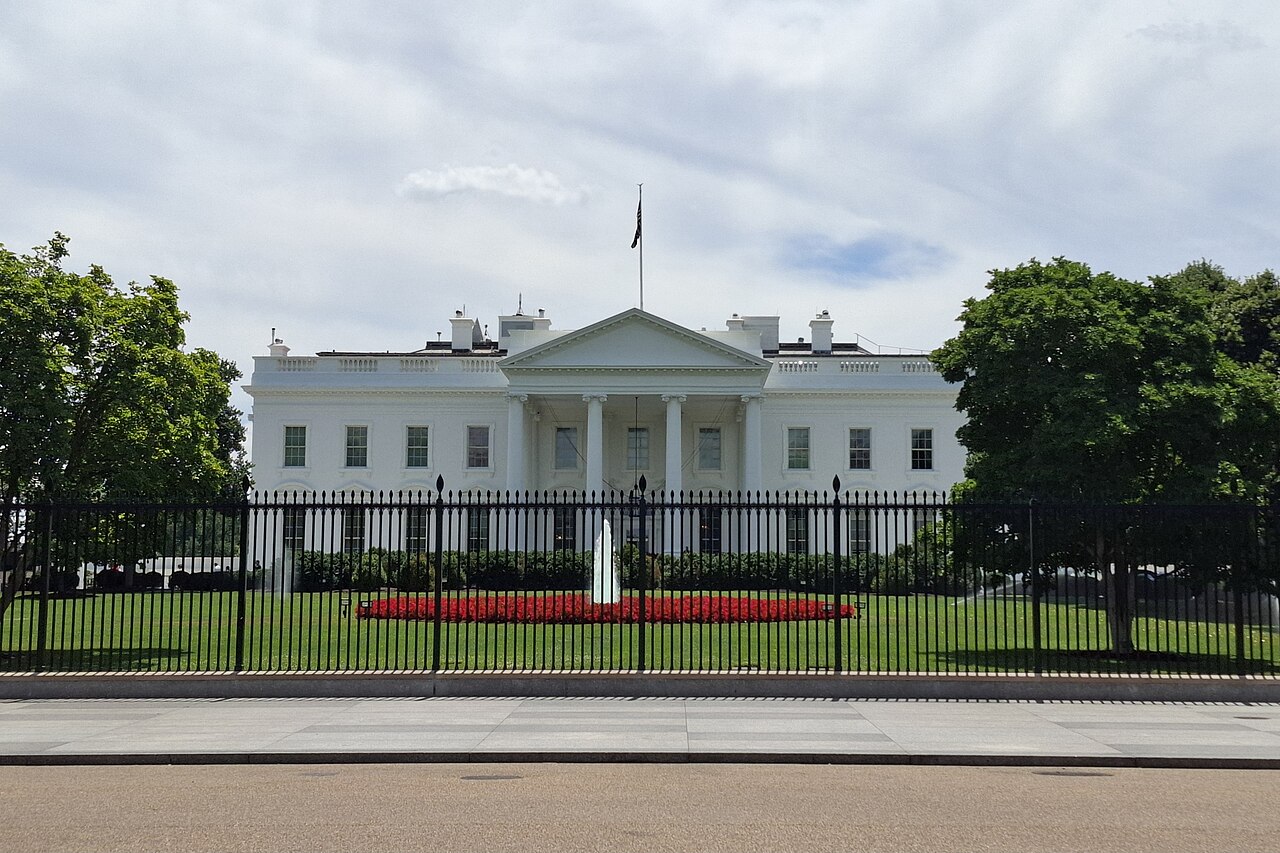
President Donald Trump and leaders of six major technology companies signed a one-page AI safety commitment after a White House meeting on Tuesday. The document, called the “White House Accord on Super Intelligence” and titled “Joint Commitment on Frontier Responsibilities,” asks firms training or deploying frontier models to adopt four layers of internal controls and audits. It is a voluntary industry framework, not a federal rule.[1][2][3]
The first layer is monitoring model capabilities and alignment during training and deployment, including risks involving cybersecurity, biological and chemical threats, and unintended access to technical systems. The second is an internal team charged with checking that controls work and addressing problems. The third calls for an independent outside auditor or evaluator. The fourth places an independent committee of each company’s board over reports from internal teams and evaluators, with responsibility for seeing that identified issues are addressed.[1][4]
The signatories named in the document are Trump, Google CEO Sundar Pichai, Anthropic CEO Dario Amodei, Meta CEO Mark Zuckerberg, OpenAI President Greg Brockman, xAI founder Elon Musk and Nvidia CEO Jensen Huang. Other executives attended the White House meeting, but attendance alone did not make them signatories.[1][5]
The accord does not assign oversight to a government agency, set a penalty for failing to follow its steps or promise to publish audit results. The text says participating companies will meet regularly to establish standards and best practices. It also says the steps may eventually make sense to codify into laws or regulations, leaving any binding requirements to a future policy process.[1][4]
Trump called the document “morally binding” when asked about its force, and told reporters he expected companies to police themselves. That description came from the president; the text itself does not define a legal obligation or a process for enforcing one. Independent outside evaluation is part of the proposal, but companies retain a central role in choosing and overseeing the controls, auditors and board committees described in the document.[3][4][1]
The distinction matters because the agreement uses the language of independent review while leaving accountability largely inside the participating firms. The Guardian reported that the document does not require companies to disclose evaluation results publicly. The accord’s text likewise describes reporting to company boards and customers but contains no specific public-release schedule or government review step.[4][1]
The White House agreement arrived as Congress debated whether voluntary commitments are enough. On the Senate floor, Sen. Mark Warner and two colleagues sought unanimous consent to advance the Artificial Intelligence Risk Management and Security Act of 2026. The proposal would establish enforceable safety and security standards for advanced systems; Warner said it would include pre-release testing, cybersecurity requirements for testing environments and incident reporting. Sen. Ted Cruz objected, blocking the request from passing that day, according to Warner’s office.[6][3]
That episode does not establish that Congress has rejected all AI legislation; the measure did not receive a recorded vote, and lawmakers described further debate as possible. It does show the gap between the White House accord’s company-led approach and proposals for government-set obligations. The voluntary framework could become a starting point for standards, but the document does not itself resolve who would verify compliance or what happens if a company falls short.[6][1]
The agreement’s practical effect will depend on what the companies implement, who they select to evaluate it and whether they disclose meaningful results. Those details are not specified in the one-page text, so the signing is evidence of a shared commitment, not proof that the safeguards are already operating or that they will prevent failures.[1][4]