World Affairs
Tinubu opens reelection bid as Nigeria’s cost pressures test his case
Tinubu used his Kaduna flag-off to defend his record and blame opponents for hunger and poverty. Reuters and AP report the election will test whether voters credit his reforms or focus on the hardship they have faced.
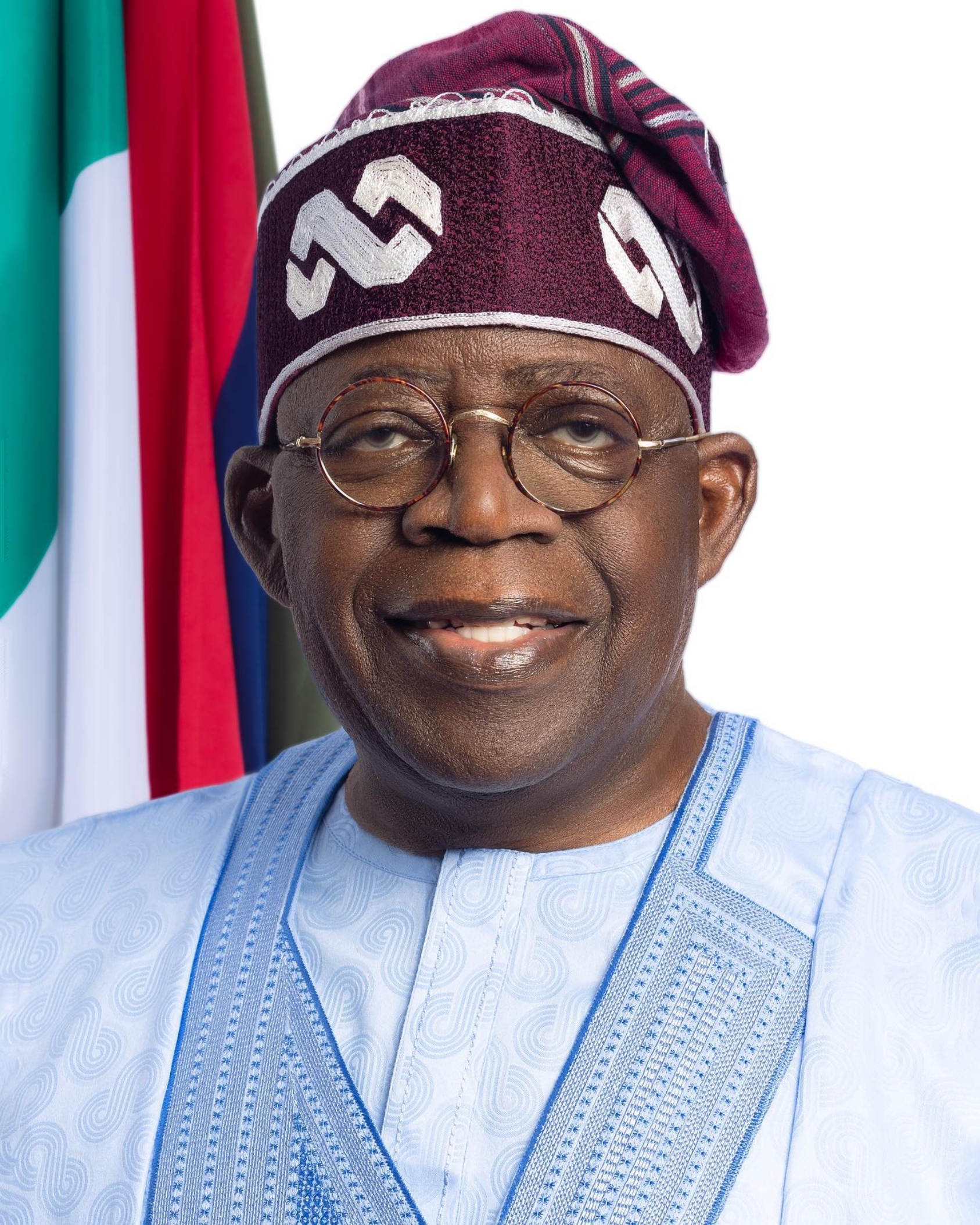
Executive summary
- President Bola Tinubu formally opened his bid for a second term at an All Progressives Congress rally in Kaduna on Oct. 24. Nigeria’s State House confirmed the campaign flag-off; Reuters and The Associated Press independently reported the event.[1][2][3]
- Tinubu blamed opposition leaders for hunger and poverty and said his administration was working to address them. Reuters reported that his spokesperson for former vice president Atiku Abubakar rejected the argument, while both Reuters and AP described continuing pressure on households after Tinubu’s fuel-subsidy and currency reforms.[1][2][3]
- The Independent National Electoral Commission’s calendar schedules the presidential and National Assembly election for Jan. 16, 2027. Reuters and AP identify Atiku Abubakar and Peter Obi among Tinubu’s leading challengers; AP says the opposition remains divided.[4][2][3]
Tinubu’s Kaduna rally marked the formal flag-off of his reelection campaign, according to Nigeria’s State House and independent reports by Reuters and AP. He cast hunger and poverty as problems created by his political opponents and said his government was trying to eradicate them. That was the president’s campaign claim, not an independent finding about responsibility for the hardship.[1][2][3]
The economy is also a vulnerability for the incumbent. Tinubu ended Nigeria’s long-running fuel subsidy soon after taking office in 2023 and later changed the naira’s exchange-rate regime. Reuters and AP report that the reforms improved some public-finance and investor measures but contributed to higher living costs, currency weakness and widespread hardship. Reuters quoted an Atiku campaign spokesperson disputing Tinubu’s attempt to assign blame to the opposition.[2][3]
INEC’s published calendar sets the presidential and National Assembly election for Jan. 16, 2027. Reuters names former vice president Atiku Abubakar and Peter Obi as Tinubu’s main challengers; AP describes the opposition field as fractured and says analysts expect the contest to center on those three figures. The calendar, rather than campaign rhetoric, establishes the scheduled election date.[4][2][3]
The State House said Tinubu also used the rally to inaugurate an 81-kilometer section of the Abuja–Kaduna highway. The announcement underscores how the governing party is presenting infrastructure alongside economic reforms as evidence for another term; the administration’s release is the source for the project claim.[1]