U.S.
Texas executes Jamaal Howard after lawyers cite Pike failure
Howard’s lawyers cited the same drug used in Pike’s failed execution and challenged the condition of Texas’ supply. Courts denied his requests, but the rulings did not determine whether the drug in Texas’ possession was safe or explain Pike’s failure.
Executive summary
- What happened: Texas executed Jamaal Howard in Huntsville on Oct. 7. The Associated Press reported that he was pronounced dead at 8:03 p.m. after receiving pentobarbital. It was the first U.S. execution since Christa Pike survived Tennessee’s lethal-injection attempt on Sept. 30.[1][2]
- Why Pike’s case entered the challenge: Howard’s lawyers argued that Texas planned to use the same drug, pentobarbital, and said the state’s supply could be degraded. They asked courts to halt the execution. The Texas Court of Criminal Appeals denied drug-related requests without comment, according to AP; the Fifth Circuit and Supreme Court also denied separate applications.[1][3][4][5]
- What the courts did not decide: The Fifth Circuit rejected Howard’s successive federal habeas application on procedural grounds, including timing and a previously presented claim. The Supreme Court’s docket records denials without an explanatory opinion. Those decisions did not determine whether Texas’ execution drug was degraded, establish a link between the two states’ supplies or resolve the cause of Pike’s failed attempt.[4][5][1]
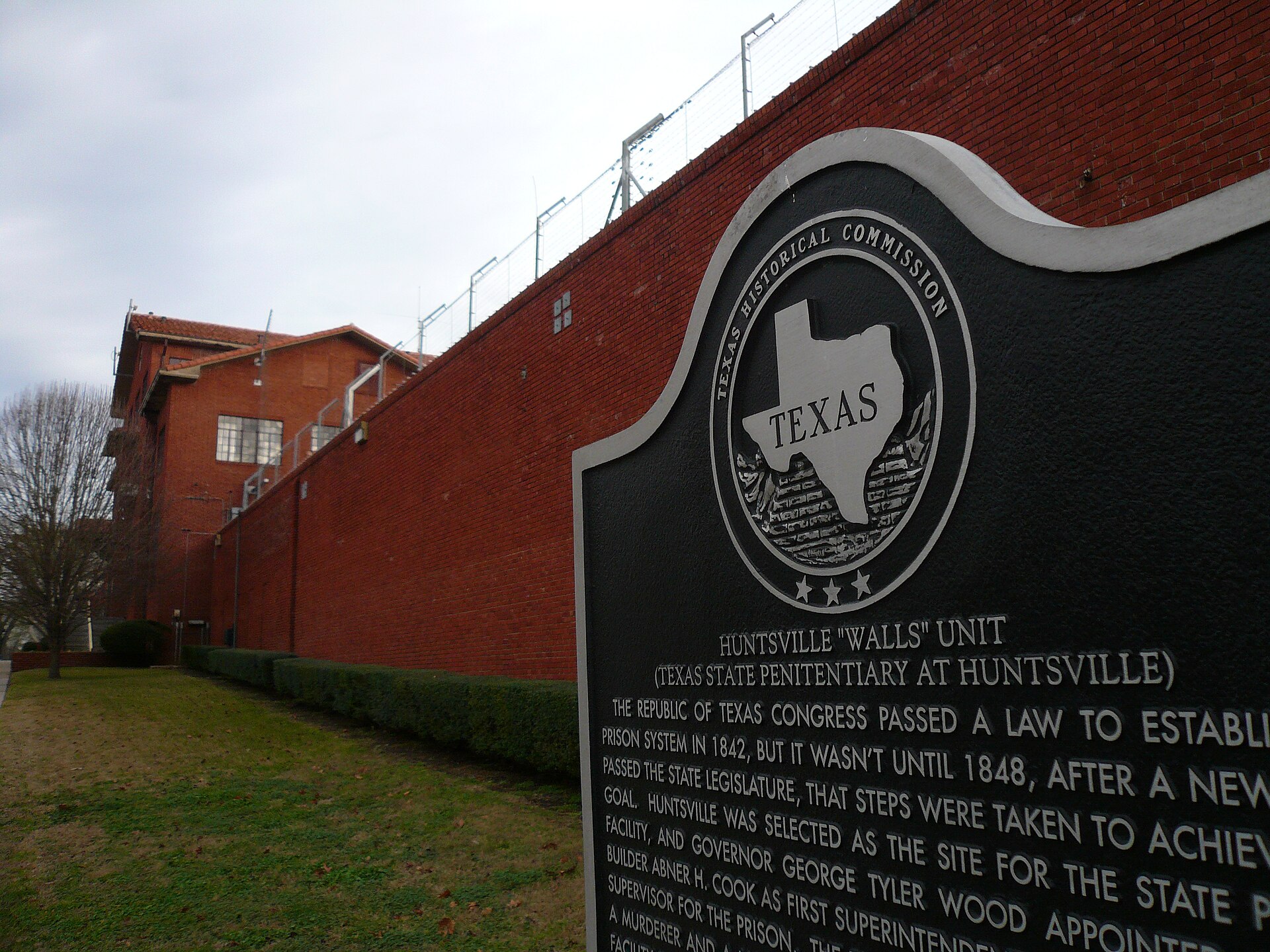
Texas executed Howard on Wednesday, Oct. 7, at the state prison in Huntsville. AP reported that the 46-year-old was pronounced dead at 8:03 p.m. after receiving pentobarbital. He had been scheduled for execution that day for the 2000 killing of Vickie Swartout during a convenience-store robbery in Silsbee, according to the Texas Department of Criminal Justice and court records. AP reported that Swartout’s family watched and that Howard apologized to them before the injection.[1][6][2]
The execution was the first carried out in the United States since Tennessee’s Sept. 30 attempt to execute Pike ended without her death. Texas and Tennessee both use pentobarbital, but the public record reviewed for this report does not establish that their drugs came from the same source or had the same condition.[1][3][7]
Howard’s attorneys asked the Texas Court of Criminal Appeals to stay the execution, arguing that Texas planned to use pentobarbital and that the state’s supply might have degraded. Their motion also sought information about the dose Texas intended to use, AP reported. The court denied the drug-related request and a second filing without comment, according to AP. Separately, the lawyers asked Gov. Greg Abbott for a 30-day reprieve while seeking information from the Texas Department of Criminal Justice; the Texas Tribune reported that Abbott did not respond before the execution.[3][1][2]
The request drew on the close timing and the use of the same drug, not evidence that Texas’ supply caused Pike’s experience. Pike’s lawyers have sought records about the Sept. 30 attempt, and a Tennessee judge ordered evidence preserved on Oct. 7. No public finding yet explains why that attempt failed.[3][1][8][7]
The Fifth Circuit’s Oct. 5 published order denied Howard permission to file a second federal habeas application and refused a stay. Howard argued that updated clinical standards supported a renewed claim that intellectual disability made him ineligible for execution. The court said the claim was filed outside the one-year limit and had been presented in an earlier petition, even though it was later abandoned. It also cited delay in seeking relief.[4]
The U.S. Supreme Court’s public docket shows that the justices denied Howard’s Oct. 7 application for a stay and his habeas petition that day. The docket gives no explanation. The Fifth Circuit’s ruling likewise addressed whether a second petition could proceed and whether to grant a stay; it did not make a new factual finding about Howard’s disability. The written order and docket therefore document procedural decisions, not a judicial finding about Texas’ drug supply or the cause of Pike’s failed execution.[5][4]
The case shows how quickly courts were asked to respond to a separate state’s failed execution when another scheduled execution used the same drug. The rulings let Texas proceed but did not create a published judicial review of the pentobarbital’s testing, potency or storage in Howard’s case. AP reported that the Texas Court of Criminal Appeals denied the drug motions without comment; no public written explanation for those denials was identified in the reporting reviewed here.[1][3][4][5]
Tennessee Gov. Bill Lee has paused the state’s remaining 2026 executions and ordered an outside review of Pike’s case. Howard’s execution did not resolve that inquiry or the separate legal questions now facing Tennessee. The medical cause of Pike’s failed attempt, the contents of the state’s preserved evidence and the findings of the outside review remain unknown.[7][8][9]