U.S.
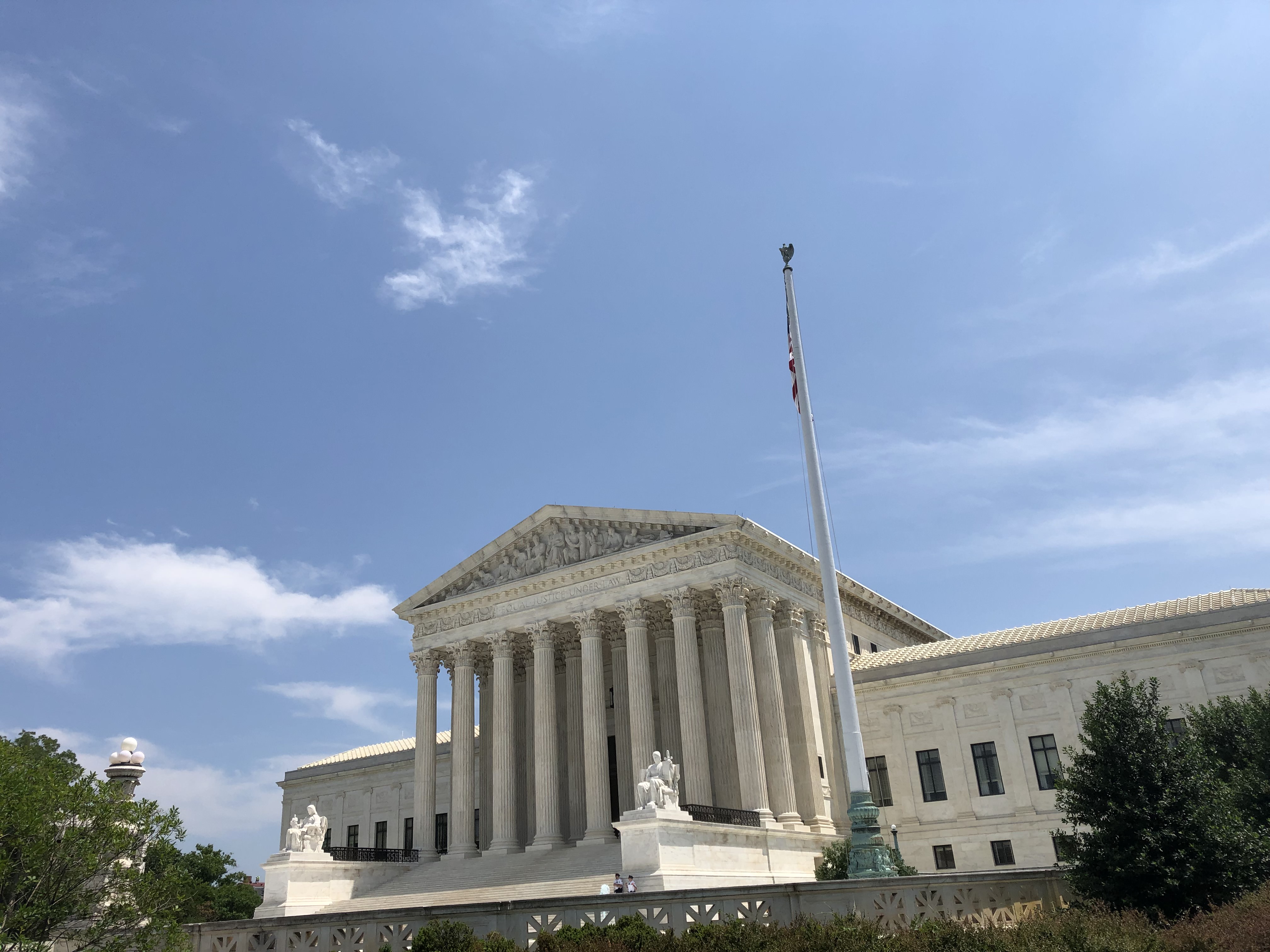
Supreme Court will review DOGE records dispute
The case asks how far a watchdog may investigate DOGE’s operations while arguing it is a federal agency covered by FOIA. The court’s order accepts the appeal; it does not order records released.
Executive summary
- Review granted: The Supreme Court on Oct. 13 agreed to hear the administration’s appeal in U.S. DOGE Service v. U.S. District Court for the District of Columbia, docket 25-1103. The case concerns discovery in a watchdog’s Freedom of Information Act lawsuit about records from DOGE’s early operations.[1][2][3]
- A preliminary question: Citizens for Responsibility and Ethics in Washington says DOGE is a federal agency subject to FOIA. The administration says it is a presidential advisory body outside the law. The dispute now before the justices is whether limited fact-finding may proceed to help resolve that status question; the Supreme Court has not decided DOGE’s legal status.[2][3][4][5]
- No records ordered released: The Oct. 13 order grants the government’s petition for review. It does not direct DOGE to turn over records, authorize a deposition or resolve the underlying FOIA claims. The lower-court discovery dispute remains for the Court to review.[1][2][3]
The Supreme Court’s Oct. 13 order list says the petition in U.S. DOGE Service v. U.S. District Court for the District of Columbia, No. 25-1103, is granted. That is a decision to take up the appeal, not a ruling on the merits. The docket identifies the case as arising from a D.C. Circuit proceeding and records the certiorari grant; it does not set out a final judgment on the records request.[1][2]
The dispute grew out of a lawsuit by Citizens for Responsibility and Ethics in Washington (CREW), which sought DOGE records under FOIA. The current appeal centers on whether the watchdog can use limited discovery—requests for information and a potential sworn examination—to gather facts about DOGE’s structure and work while courts decide whether the service falls within FOIA’s definition of an agency.[2][3][4][5]
CREW argues that DOGE exercised enough independent authority across federal agencies to qualify as an agency under FOIA. The Trump administration argues that DOGE served as an advisory body to the president and that discovery into internal executive-branch communications intrudes on presidential confidentiality. Those are competing positions in the case, not findings made by the Supreme Court in granting review.[3][4][5][2]
The immediate question is narrower than whether the public ultimately can obtain the requested records. The D.C. Circuit allowed a revised, limited discovery process after an earlier Supreme Court intervention narrowed the inquiry. The administration then asked the justices to review that ruling. The Court’s grant puts the discovery dispute back before it; no new production of DOGE records follows automatically from Tuesday’s order.[2][6][3][4]
The certiorari grant does not establish that DOGE is or is not a FOIA-covered agency, and it does not decide whether any specific records are public or exempt. Those questions depend on later proceedings and the Court’s eventual merits decision. The Oct. 13 order list contains no merits analysis or explanation for accepting the case.[1][2][3]
The case is a second Supreme Court intervention in CREW’s effort to obtain information about DOGE. In 2025, the justices narrowed an earlier discovery order; the current appeal concerns what fact-finding can continue after that intervention. The new grant signals that the Court will review the boundary between public-records litigation and the executive branch’s asserted confidentiality interests, but it does not yet resolve that boundary.[3][4][5][2]