U.S.
Supreme Court leaves Arizona election-case sanctions against lawyers in place
The court’s one-line denial leaves a Ninth Circuit judgment intact after it upheld sanctions over unsupported claims in a 2022 bid to require hand-counted ballots. It is not a new ruling on the merits.
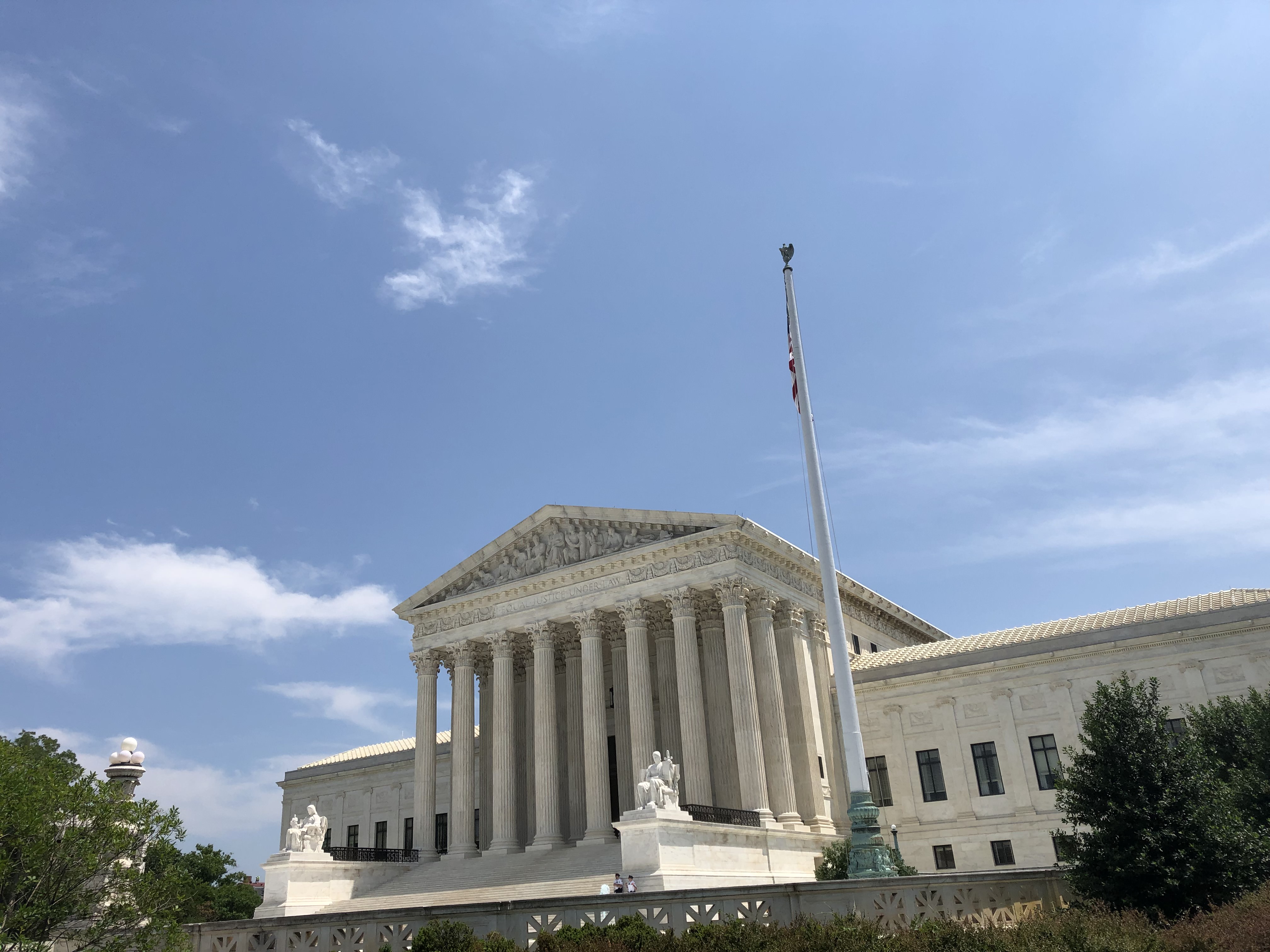
Executive summary
- Review denied: The Supreme Court denied Andrew D. Parker’s petition in Parker v. Gates on Oct. 13. The order list records no explanation; the court did not issue a merits opinion on the underlying sanctions dispute.[1][2][3]
- What remains in place: A Ninth Circuit panel had affirmed a $122,200 fee award against lead attorneys Andrew Parker and Kurt Olsen and their firms over a lawsuit challenging Arizona’s voting system. The candidates they represented, Kari Lake and Mark Finchem, were not ordered to pay that award.[4][3][5]
- The legal dispute: The lawsuit sought to stop the use of electronic tabulation equipment and require hand-counted paper ballots for Arizona’s 2022 election. The Ninth Circuit majority said the sanctions followed unsupported factual claims and an inadequate pre-filing inquiry; one judge dissented over the risk of chilling legal advocacy.[4][3][6]
- A narrow outcome: The denial leaves the lower-court judgment intact for these parties but does not establish a new nationwide rule or signal why the justices declined review.[1][2][4]
The U.S. Supreme Court on Tuesday declined to hear Andrew D. Parker’s appeal of sanctions stemming from a lawsuit brought by former Arizona candidates Kari Lake and Mark Finchem. The court’s Oct. 13 order list records the petition as denied without comment. The justices did not issue an opinion explaining their decision or decide the underlying dispute anew.[1][2][3]
The order leaves in place the Ninth Circuit’s March 2025 judgment affirming a $122,200 award of attorneys’ fees against lead attorneys Parker and Kurt Olsen and their firms. The award was tied to the lawyers’ conduct in the case; it was not an order requiring Lake or Finchem to pay the fees, the Associated Press reported.[4][3][5]
Lake and Finchem’s 2022 lawsuit sought to bar electronic elements in Arizona’s vote-tabulation system and require hand-counted paper ballots. A federal district judge dismissed the case for lack of standing and later ordered the lawyers to pay county legal fees. The Ninth Circuit affirmed the sanctions, concluding that the record supported findings that the attorneys made false, misleading or unsupported factual assertions and had not conducted a reasonable inquiry before filing.[4][3][6]
The appeals panel was divided. Judge Patrick Bumatay dissented, arguing that the sanctions risk deterring lawyers from bringing difficult or unconventional election-law claims. The majority said its decision rested on the factual assertions and pre-filing inquiry in this case, rather than simply on the fact that the lawsuit failed.[4][5][6]
A denial of a petition for a writ of certiorari leaves the lower-court judgment in effect but does not endorse its reasoning or create a Supreme Court precedent on the merits. The docket shows the petition was denied after being distributed for conference; neither the order list nor docket states why the court declined review. The practical result is that the Ninth Circuit’s sanctions judgment stands for the parties to this case.[1][2][4]