U.S.
Supreme Court declines to review 9/11 defendant’s plea-deal challenge
The order does not decide the merits of the proposed agreements. The case returns to the military commission process, where a trial is scheduled for 2028.
Executive summary
- The court denied review without giving a reason: In docket No. 26-13, the Supreme Court denied Khalid Sheikh Mohammed and co-defendants’ petition for a writ of certiorari. The order says Justice Brett Kavanaugh took no part; it does not explain the denial or rule on the plea agreements’ merits.[1][2]
- The lower-court ruling remains in place: The petition challenged a D.C. Circuit decision that allowed the military secretary to withdraw the agreements. The agreements would have required guilty pleas and life sentences rather than a possible death penalty, according to the Associated Press.[2][3]
- The commission case is still pending: The Supreme Court’s action leaves the case in the military commission system. The Associated Press reports the trial is scheduled for 2028; Monday’s order does not resolve the underlying charges.[1][3]
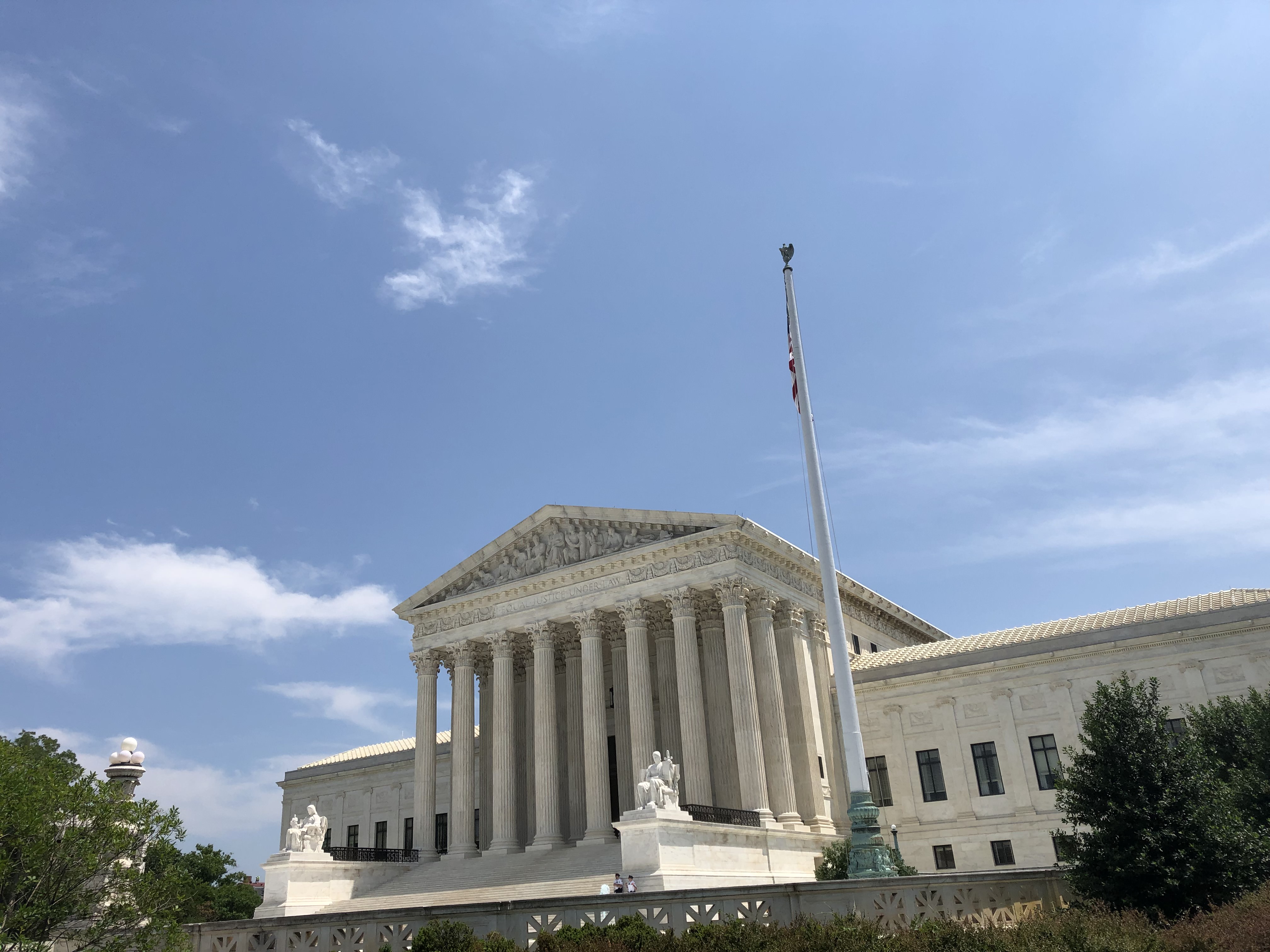
The Supreme Court on Oct. 19 denied a petition by Khalid Sheikh Mohammed and two co-defendants seeking review of a lower-court decision over plea agreements in the Sept. 11 attacks case. The court’s order lists the petition as denied and says Justice Brett Kavanaugh took no part. It gives no explanation, so it should not be read as a ruling on the agreements’ legality or on the defendants’ guilt.[1][2][3]
The challenge concerned whether the military secretary could withdraw plea agreements negotiated by military prosecutors. The Associated Press reported the agreements would have required guilty pleas and life sentences without parole, avoiding a possible death sentence. A divided federal appeals court had ruled that the secretary had authority to rescind them.[2][3]
With Supreme Court review denied, the appeals court ruling remains operative and the case returns to the military commission process. The order does not determine the charges, the admissibility of evidence or any eventual sentence. The Associated Press reports that a trial is scheduled for 2028.[1][3]
The plea agreements have been contested since Defense Secretary Lloyd Austin moved to invalidate them in 2024. The Supreme Court’s brief order resolves only whether it would hear this petition at this stage. The legal questions raised in the petition were not accompanied by a written explanation from the justices.[2][3][4]