World Affairs
St. Petersburg oil terminal catches fire during large drone attack
Russian officials confirmed fires at oil sites and reported one death, while Moscow’s claimed interception tally and the evolving injury count have not been independently reconciled.
Executive summary
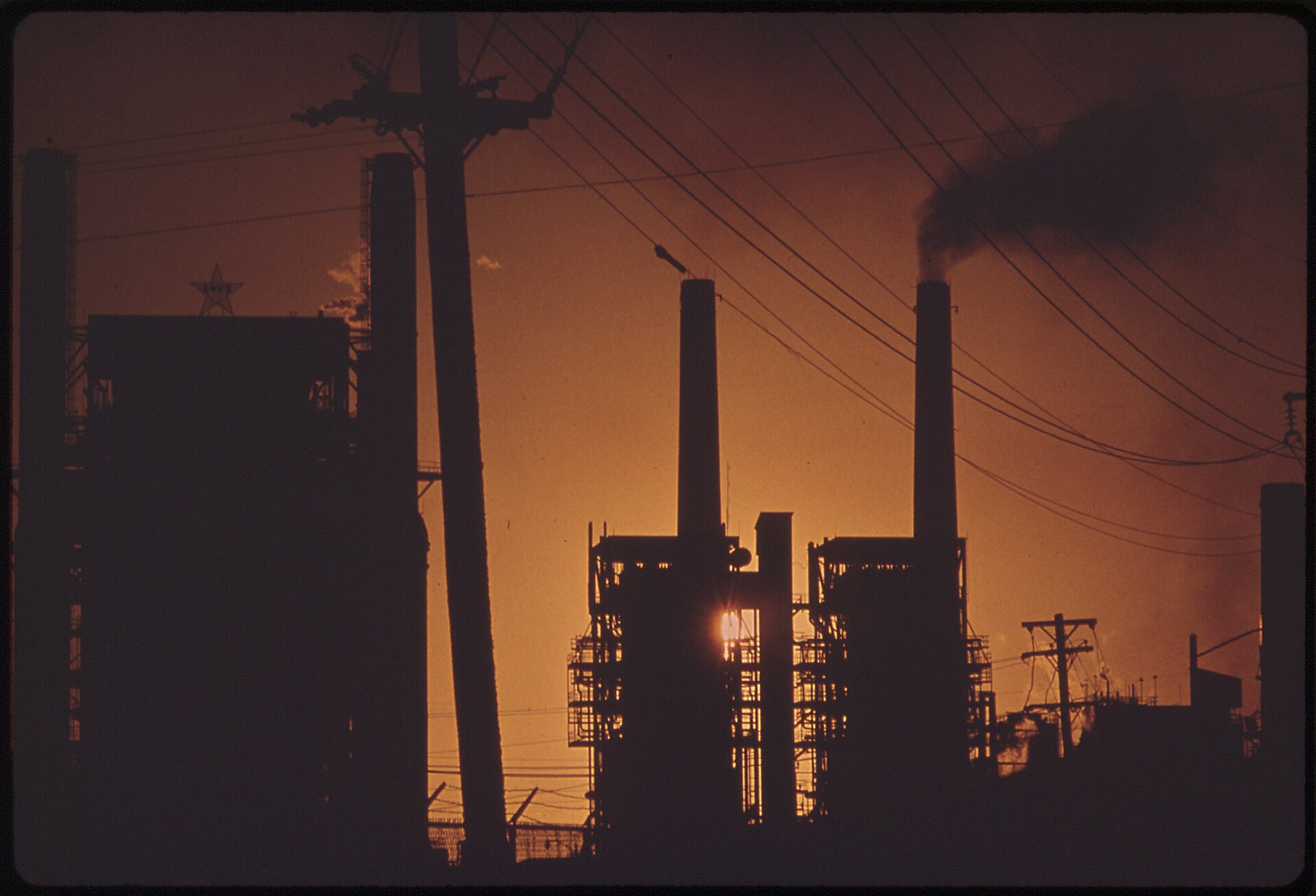
- A port fire is confirmed; interruption to exports is not: St. Petersburg Governor Alexander Beglov said emergency crews were extinguishing a fire at the Petersburg Oil Terminal and fires at other infrastructure sites. The city’s Ruchi oil depot also burned, according to the Associated Press. The reports reviewed here do not establish how much equipment was damaged or whether terminal loading stopped.[1][2][3]
- Russia’s 1,015 figure is an official claim: Russia’s Defense Ministry said air defenses destroyed 1,015 Ukrainian drones over a 12-hour period across 15 regions, Crimea and the Black Sea. That is the ministry’s tally; the number launched and the interception count have not been independently verified.[4][2][3]
- Casualty reports changed as coverage developed: The Associated Press reported one death and five injuries in St. Petersburg, citing Beglov. A later Reuters dispatch said one person was killed and 15 injured in the city and surrounding region, citing local authorities. The reports do not reconcile the different injury totals.[2][3]
Beglov said emergency crews were putting out fires at the Petersburg Oil Terminal and at civilian infrastructure sites in several city districts. He also announced temporary flight restrictions at Pulkovo Airport. The Associated Press reported a separate fire at the Ruchi oil depot. These official statements and wire reports confirm fires, but do not establish damage to storage tanks, loading equipment or ships.[1][2][3]
Ukraine’s Fire Point company said FP-1 drones struck the terminal, the Ruchi depot and a VK data center. Fire Point’s statement is a claim by a Ukrainian drone producer, not independent damage verification. VK confirmed that its data center had been attacked but said its services remained available; retailer Ozon also said its St. Petersburg logistics hub was on fire. No source reviewed here reported that oil exports from the terminal had stopped.[5][6][2][3]
Russia’s Defense Ministry said its air defenses destroyed 1,015 Ukrainian drones between 8 p.m. Saturday and 8 a.m. Sunday Moscow time across 15 Russian regions, Crimea and the Black Sea. The ministry published the total, but no independent count confirms how many drones were launched, intercepted or reached their targets. The number should not be read as a verified count of aircraft Ukraine sent.[4][2][3]
The human toll also differs by report. AP said Beglov reported one person killed and five injured in the city. Reuters later reported one death and 15 injuries across St. Petersburg and the Leningrad region, citing local authorities. The two dispatches do not explain whether the later figure includes additional incidents or reflects an updated count.[2][3]
The overnight strike followed President Donald Trump’s Oct. 11 announcement that Russia and Ukraine had agreed to an energy ceasefire. AP reported that the announcement included no details and that Kyiv said Russian attacks on energy sites continued. The public accounts reviewed here do not establish whether the St. Petersburg terminal was covered by any ceasefire terms, which have not been published.[2][3]
The immediate open questions are the extent of damage at the terminal and whether operations resume without disruption. Officials confirmed fires and flight restrictions; a verified assessment of oil-handling capacity or export delays had not emerged in the reporting reviewed for this article.[1][2][3][7]