Business & Markets
Russia holds rate at 14% as central bank raises inflation forecast
The bank raised its 2026 inflation outlook to 7.1%–7.6% and projected an average key rate of 12.5%–13.5% next year, as price pressures stayed elevated.
Executive summary
- The decision: The Bank of Russia left its key rate at 14% on Oct. 23, its second consecutive hold after also keeping the rate unchanged in September. Reuters said all 20 analysts in its pre-decision poll expected no change.[1][2]
- The outlook: The bank raised its 2026 inflation forecast to 7.1%–7.6%, from 6%–7%, and its 2027 average-rate projection to 12.5%–13.5%, from 10.5%–12.5%.[1][3][4][2]
- The pressure: Officials cited elevated underlying price growth and longer-lasting production disruptions. Reuters separately linked pressure to refinery attacks, government spending and utility charges; the central bank did not identify attackers in its statement.[3][2]
The Bank of Russia kept its key rate at 14% on Oct. 23, matching its September decision. Its last change was a quarter-point cut in July. The October decision was widely expected: Reuters reported that all 20 economists it surveyed forecast a hold.[1][5][2]
The bank said current price pressures and inflation expectations remained high, while the economy was growing at a moderate pace. Its policy statement says future rate decisions will depend on inflation, expectations and domestic and external risks, leaving the timing of any further cut open.[1]
The bank raised its forecast for annual inflation at the end of 2026 to 7.1%–7.6%, from the 6%–7% range in its September baseline. It also lifted its forecast for the average key rate in 2027 to 12.5%–13.5%, up from 10.5%–12.5%. Those are projections, not promised settings; the bank says it will reassess policy as price data and risks change.[1][4][3][2]
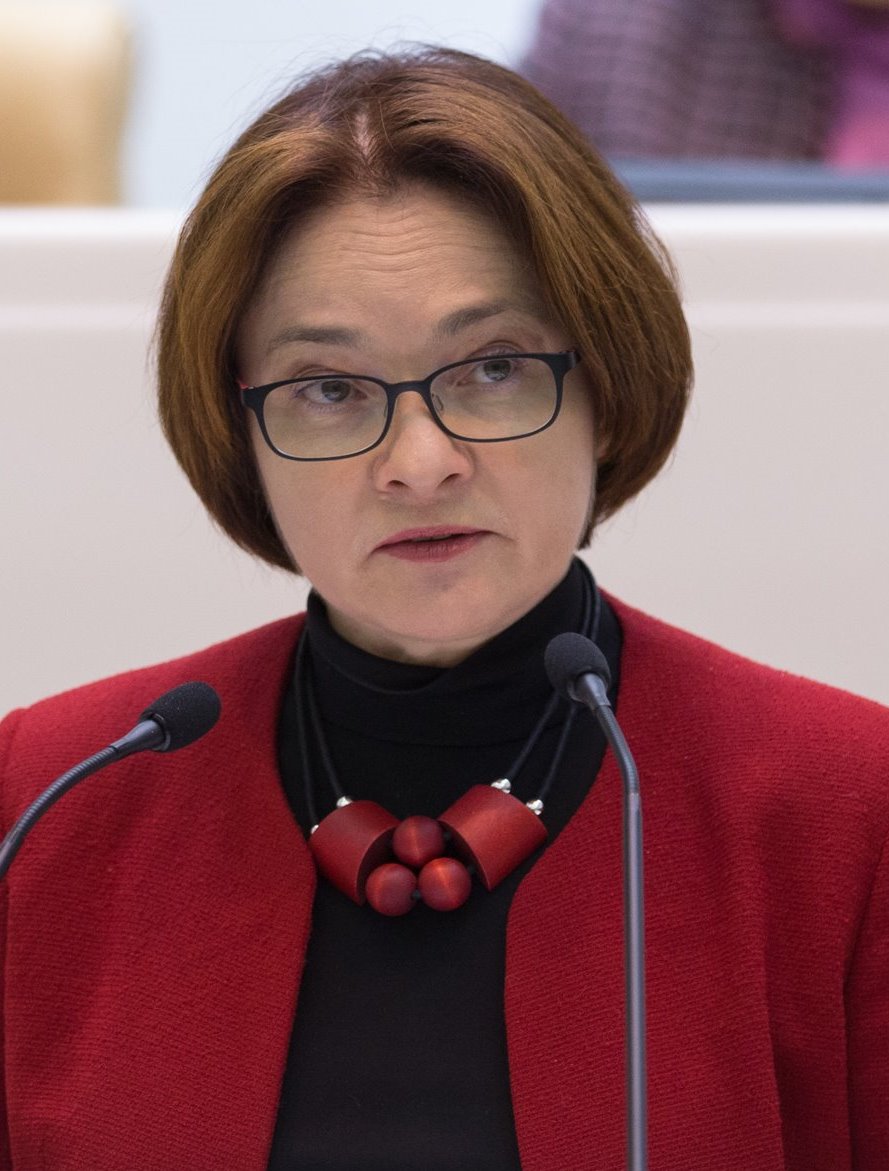
Governor Elvira Nabiullina said the effects of temporary capacity reductions had proved more protracted than assumed in the bank's earlier forecast. The central bank estimated that underlying price growth had remained around 5%–6% in annualized terms and said tighter monetary conditions would need to last longer to bring inflation back toward its 4% target in 2027.[3][1]
The central bank's statement pointed to temporary disruptions at production facilities, sticky inflation expectations and an October utility-tariff adjustment that was slightly higher than forecast. It described the production issue without naming a cause. Reuters reported that Ukrainian drone attacks on refineries, government spending and utility charges were contributing to inflation, and cited sharp increases in fuel prices this year. The attribution to attacks comes from Reuters' reporting, rather than the wording of the bank's policy statement.[3][2]
Reuters reported that the bank's updated 2027 rate range implies borrowing costs could remain above 12% through another year, while the central bank's next scheduled rate meeting is Dec. 18. The bank also forecast moderate economic growth, underscoring the tradeoff facing policymakers: easing too soon could prolong inflation, while keeping rates high constrains credit and activity.[2][1][3]