World Affairs
Pakistan imposes governor’s rule in PTI-led Khyber Pakhtunkhwa
The federal government says an 11-member council will advise the governor and cites worsening security and counterterrorism disputes. Pakistan’s Constitution sets parliamentary review requirements, but the public accounts reviewed do not resolve every question about the proclamation’s basis.
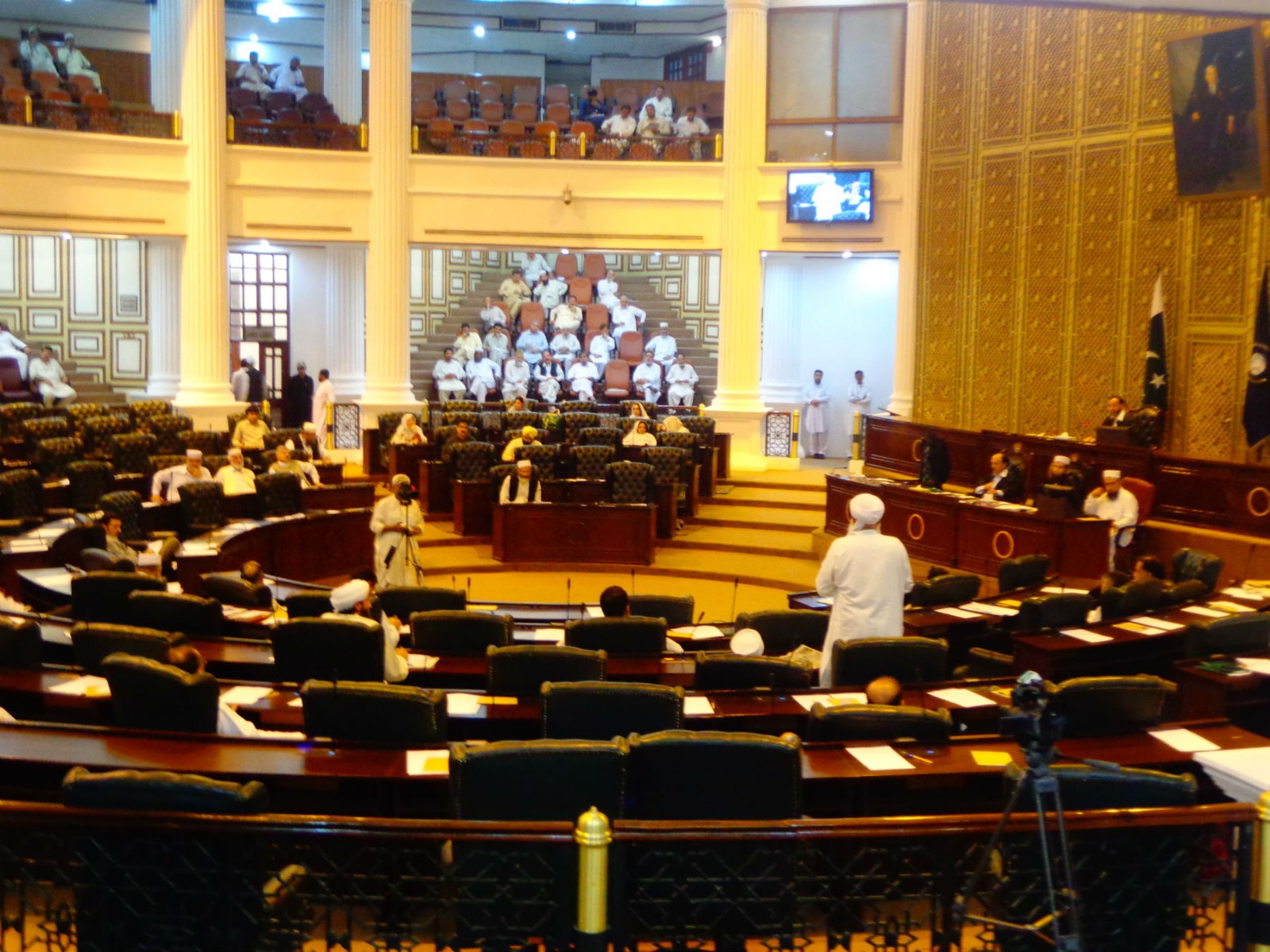
Executive summary
- Provincial authority shifts to the governor: President Asif Ali Zardari, acting on Prime Minister Shehbaz Sharif’s advice, promulgated emergency and governor’s-rule measures under Articles 232 and 234, the state broadcaster reported. The federal government said an 11-member advisory council would run provincial affairs under the governor, suspending the PTI-led administration’s executive role.[1][2][3]
- Security rationale is disputed: Federal ministers cited worsening law and order and what they described as weak provincial support for counterterrorism. PTI rejected the move as unconstitutional and said it would challenge it. These are competing political claims; the reporting reviewed does not independently establish the federal government’s accusations or a court’s view of the proclamation.[1][2][4]
- Parliamentary review is required: Pakistan’s Constitution says an Article 232 emergency must be placed before a joint sitting and normally expires after two months without approval. Article 234 has a similar two-month limit and a six-month maximum. Article 232 also contains a provincial-assembly resolution requirement when emergency is based on an internal disturbance beyond provincial control; the public reports reviewed do not reproduce the full proclamation or settle how that provision applies here.[5][6][1]
President Asif Ali Zardari promulgated emergency and governor’s-rule measures in Khyber Pakhtunkhwa on Sunday, acting on the advice of Prime Minister Shehbaz Sharif, Pakistan’s state broadcaster Radio Pakistan reported. Law Minister Azam Nazeer Tarar said the measures invoked Articles 232 and 234 of the Constitution. The province had been governed by the Pakistan Tehreek-e-Insaf party, led nationally by jailed former Prime Minister Imran Khan. The Associated Press reported that the measures suspend the provincial government and place authority under the federally appointed governor.[1][2][3]
Information Minister Attaullah Tarar announced an 11-member advisory council to run provincial affairs under the governor. Radio Pakistan also reported that federal authorities would directly administer 12 districts through a federal secretariat and that the law minister said security forces would be deployed under Article 245. Those arrangements are the government’s public account; the articles and reports reviewed do not establish how each function will work in practice or how long the transfer will last.[1][2]
The federal cabinet recommended emergency rule after accusing the provincial government of disengaging from counterterrorism efforts. Interior Minister Mohsin Naqvi said delays and poor coordination had allowed militants to gain ground, while the law minister cited deteriorating law and order. These are the federal government’s stated grounds, not independently verified findings in the reports reviewed. The dispute comes amid a long-running disagreement between Islamabad and the PTI-led province over counterterrorism policy and a planned march by Khan supporters demanding his release.[2][3][1]
PTI and allied opposition figures condemned the imposition as unconstitutional and undemocratic and said they planned to contest it in court, Dawn reported. The party’s objection is not a judicial ruling. The move puts a major provincial administration under federal direction during a period of political tension, while the constitutional and security claims behind it remain contested.[4][2]
The current Constitution, published by Pakistan’s National Assembly and amended through November 2025, provides separate powers for emergencies and failure of constitutional machinery in a province. An Article 232 proclamation must be laid before a joint sitting convened within 30 days and normally ceases after two months unless approved; an Article 234 proclamation also expires after two months without approval and cannot remain in force for more than six months. Under Article 234, the president may direct a governor to exercise specified provincial executive functions and Parliament may exercise powers of a provincial assembly.[5][6]
Article 232 includes a proviso requiring a resolution of the provincial assembly when an emergency is imposed because of an internal disturbance beyond a provincial government’s control. Officials publicly cited both Articles 232 and 234, and the law minister said Parliament would be asked to endorse the measures. The public statements and news reports reviewed do not reproduce the full signed proclamation or establish precisely which constitutional grounds it specifies, whether the assembly-resolution proviso is engaged, or how any such requirement was met. The issue remains a question for the constitutional process and any court challenge, not a conclusion that can be drawn from the announcement alone.[5][1][6][4]