U.S.
Newsom vetoes California smart-glasses privacy bill over broad device definition
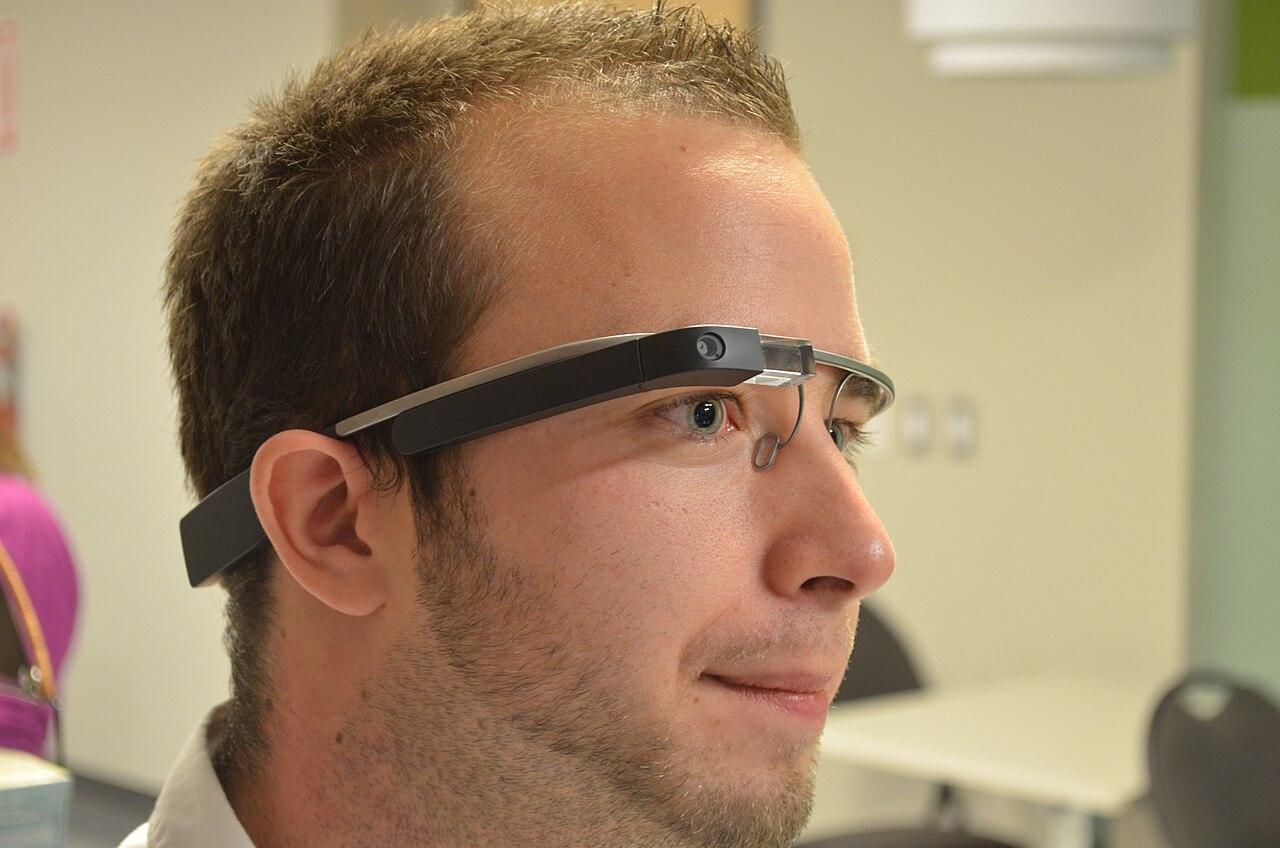
The bill would have created new rules for recording people in privacy-sensitive areas of businesses and required visible indicators on wearable recording devices beginning in 2028. Newsom said its definition could sweep in common smartwatches; the bill’s sponsor argued that camera glasses make covert recording difficult to spot.
Executive summary
- The decision: Gov. Gavin Newsom vetoed Senate Bill 1130 on Sept. 30. The California Legislature’s bill tracker lists the veto and says consideration of a possible override is pending.[1][2]
- What the bill proposed: The enrolled bill would have required a person’s explicit consent before a wearable device captured audio or video in a business area where that person reasonably expected privacy. It also set device-indicator rules for 2028 and penalties for specified violations.[3]
- The competing arguments: Newsom said the definition of a wearable recorder could include ordinary smartwatches and that existing law already addresses recording in private spaces and confidential conversations. The bill’s sponsor and a Consumer Reports policy director argued that glasses make covert recording harder to spot.[1][4]
California Gov. Gavin Newsom vetoed SB 1130 on Sept. 30, rejecting a proposal to set explicit rules for wearable recording devices in businesses. The bill tracker records the veto and lists consideration of an override as pending; the governor’s signed message says he returned the bill without his signature.[1][2][4]
The enrolled text would have barred a person from using a wearable device to capture another person’s sound or video in an area of a business where that person had a reasonable expectation of privacy, unless the person gave explicit consent. A violation could have brought a fine of up to $1,500, up to a year in county jail, or both, subject to the bill’s exceptions.[3]
The proposal also would have required covered wearable devices sold in California to include a sufficiently prominent recording indicator starting Jan. 1, 2028. It would have restricted disabling those indicators and technology designed primarily to conceal them, with a civil penalty of up to $2,500 for a knowing violation of the device provisions.[3][4]
In his veto message, Newsom said the bill defined wearable recording devices too broadly, potentially covering smartwatches and other commonly used devices capable of recording. He also argued that existing law already makes it a crime to record someone in an area where they reasonably expect privacy and to record confidential communications without consent.[1]
The Associated Press described Reyes’ proposal as an effort to make recording activity easier to identify and adapt privacy rules to camera-equipped glasses. The AP also reported that Consumer Reports technology-policy director Justin Brookman said recording can be less apparent with wearable glasses than with a phone or conventional camera. Industry group TechNet opposed the bill, saying it was not the right approach.[4]
The veto leaves the bill’s specific consent requirement and 2028 indicator mandate unenacted unless the Legislature overrides the decision. The Legislature’s tracker currently shows the veto with override consideration pending. The bill text and veto letter describe a dispute over whether existing privacy protections are sufficient for devices that can record from behind ordinary-looking frames.[2][3][1][4]