U.S.
Newsom plans to commute California’s 548 death sentences to life without parole
The governor has asked the California Supreme Court for recommendations in 382 cases, about 70% of the total.
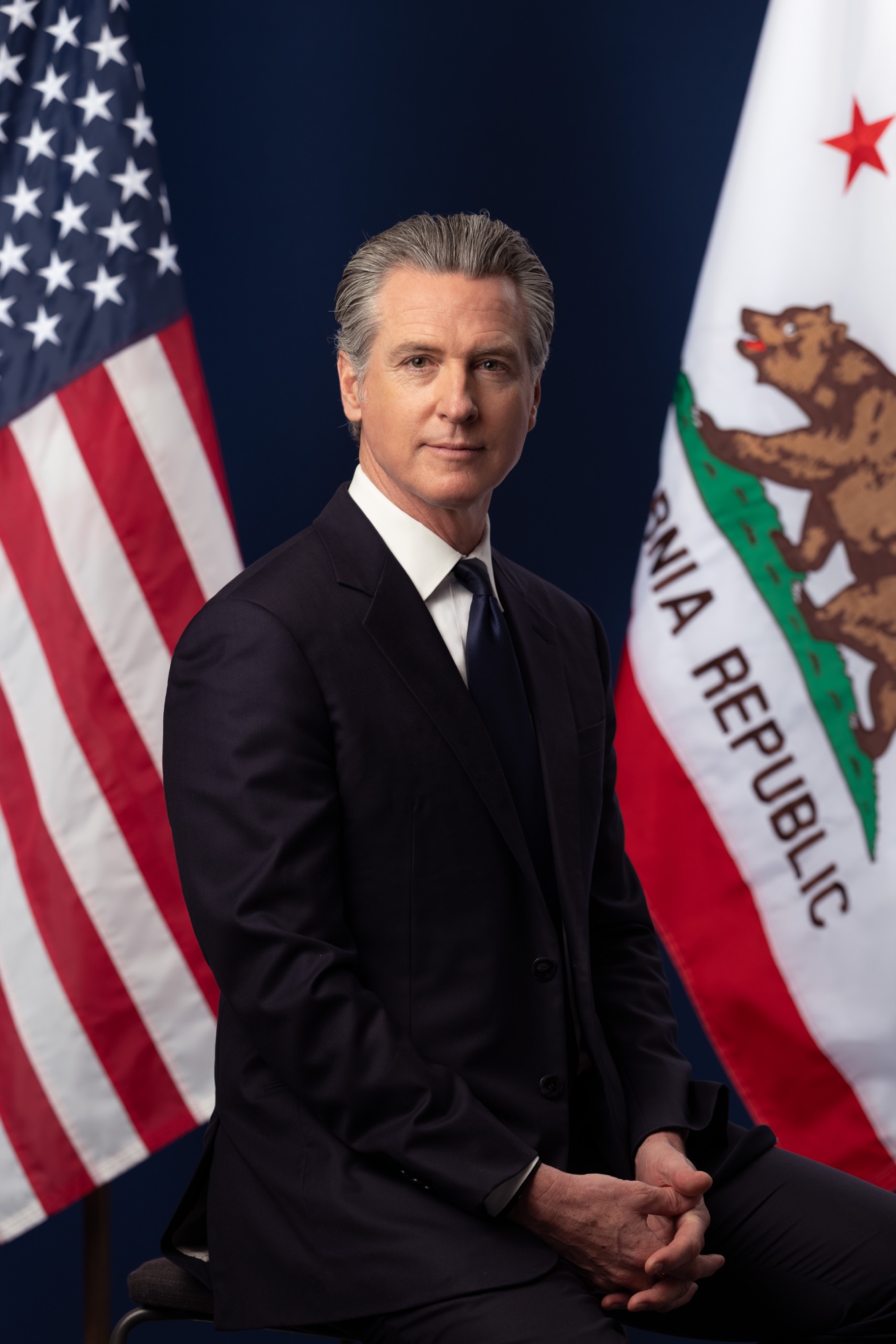
Executive summary
- Gov. Gavin Newsom announced a plan to commute all 548 current California death sentences to life without parole, but no sentence had formally changed as of Nov. 5. [1][2][3][1][2][3]
- About 70% of the cases require a recommendation from at least four California Supreme Court justices before Newsom can issue commutations. [3][4][5][3][4][5]
- The intended recipients would remain in prison without parole; their convictions and restitution orders would remain in force, and the death penalty would remain available in future cases. [1][4][1][4]
California Gov. Gavin Newsom announced a plan Nov. 5 to commute every current death sentence in the state to life without the possibility of parole. His office released a list of 548 intended recipients, the number the state’s Habeas Corpus Resource Center says were under death sentence when he announced the plan. [1][2][3][1][2][3]
The proposal has not yet changed those sentences. The Habeas Corpus Resource Center said no death sentence had been formally commuted as of its Nov. 5 update. The governor’s clemency page says the commutations will not take effect until the legal steps are complete. [2][3][2][3]
About 30% of the 548 people have no separate felony conviction and can have their sentences commuted by the governor without a court recommendation. The remaining 382 cases, about 70%, require a recommendation joined by at least four California Supreme Court justices before a governor may commute the sentence of someone twice convicted of a felony. Newsom asked the court to act by Dec. 31 so he could issue commutations before leaving office. [3][4][5][3][4][5]
The court’s role is to check that the governor’s clemency power is not abused; its recommendation does not take a substantive position on the merits of the proposed clemencies. Newsom said his staff reviewed criminal-history records to determine which cases required the recommendation, but he did not assess recipients’ rehabilitation or individual circumstances beyond their death sentences and felony records. The intended recipients would remain in prison and would not be eligible for parole. [4][4]
The governor’s letter says the change would apply only to the death sentences. It would not alter the underlying convictions or restitution orders, release anyone from prison or repeal California’s death-penalty law. Prosecutors could still seek death sentences in future cases, and juries and courts could still impose and uphold them. [1][4][1][4]
The state corrections department’s public list showed 561 people as condemned on Nov. 3, more than the 548 in the governor’s intended-recipient list. The Habeas Corpus Resource Center says its lower count reflects people whose death sentences courts reversed but who remain coded as condemned by corrections officials until resentencing, as well as delays in processing resentencing records. [3][7][3][6]
California has carried out no execution since 2006. Newsom imposed a moratorium in 2019, but that order left convictions and death sentences unchanged. His proposed clemency would remove the death sentences for the current group if all required steps are completed; the moratorium and the proposed commutations do not abolish capital punishment for future cases. [1][4][8][1][4][7]
Some families of victims oppose the plan; others support it. Before Newsom announced his decision, Marc Klaas said the prospect of commuting the sentence of Richard Allen Davis, who kidnapped and killed his 12-year-old daughter Polly in 1993, upset him and made him feel terrible, CalMatters reported. Klaas said he had stopped expecting Davis to be executed after Newsom’s 2019 moratorium but still expected him to remain on death row for life. [6][8]
Jess Nichol, whose sister Polly was murdered by Davis, said she once believed he deserved execution but came to view it as no help to survivors’ recovery or public safety. “The system tells survivors that execution matters to our healing. It doesn’t. It’s a distraction from what we actually need,” she said. [6][8]
Former prosecutor Anne Marie Schubert, who leads the Criminal Justice Legal Foundation, said her group planned to challenge the commutations. Former state public defender Mary McComb said the commutations would provide a safeguard beyond Newsom’s moratorium against a future governor restarting executions. [6][8]
The court’s recommendation and the governor’s formal commutation certificates remain the next steps. [4][5][4][5]