World Affairs
Local monitors report 22 killed in Mambasa attacks, troops sent toward threatened communities
The monitoring team said several locations remain inaccessible. Mambasa’s territorial administration withheld confirmation of the full toll while reporting a military deployment.
Executive summary
- Eight communities hit: Civil society and rights-monitoring groups said suspected Allied Democratic Forces fighters killed at least 22 civilians and abducted at least 10 people in attacks across eight communities in Mambasa territory, eastern Congo, beginning Tuesday.[1][2]
- The count remains provisional: The APDEF Mambasa monitoring team reported one person wounded and five homes and two motorcycles burned. It said several affected locations were still inaccessible and some people remained missing.[2]
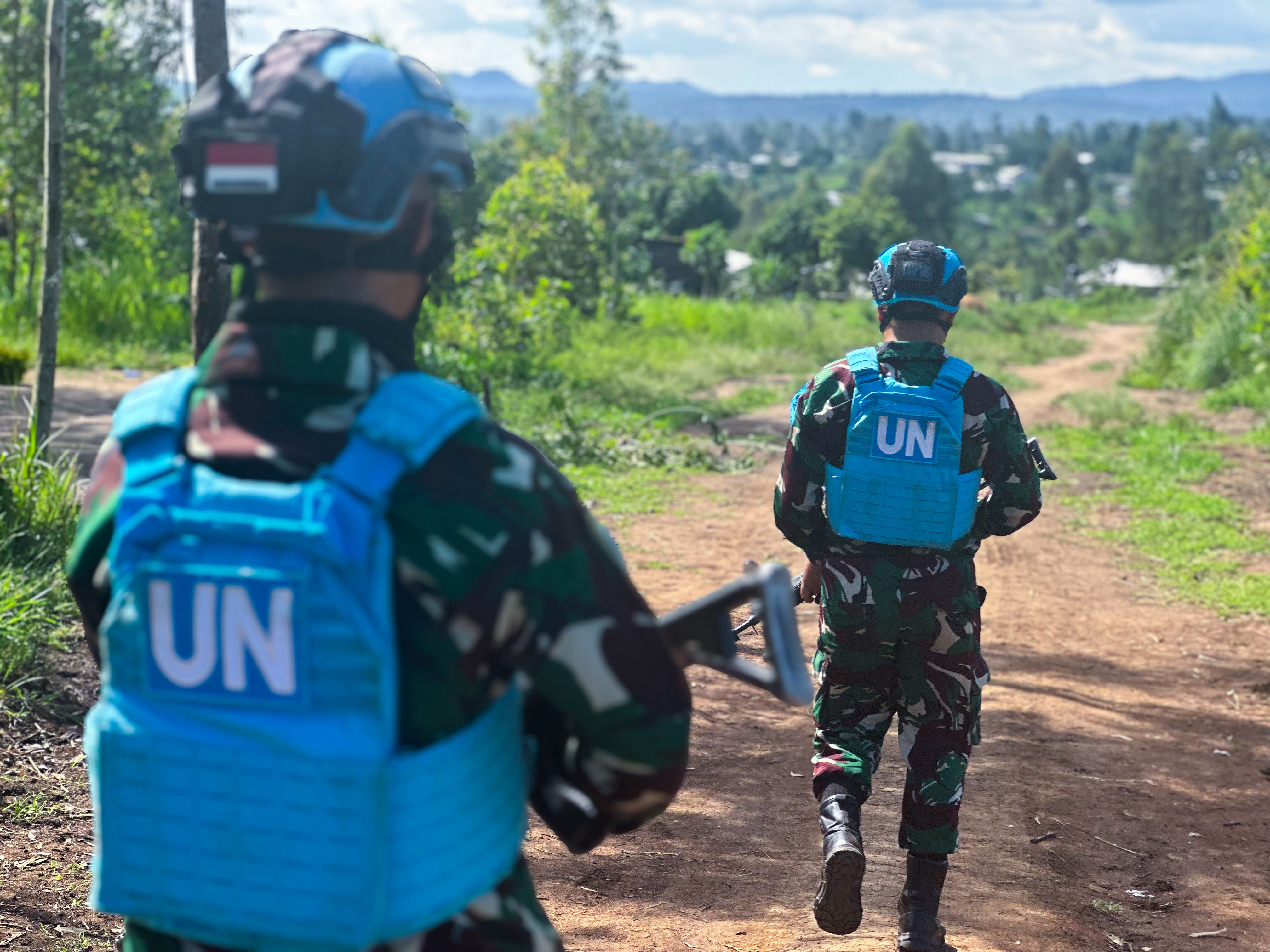
- Administration reports troop movement: Mambasa’s administration said it had not confirmed APDEF’s full toll, while reporting that the 31st FARDC brigade had moved toward threatened areas. A Sept. 29 UN briefing had described ADF activity in Mambasa as intensifying.[3][4]
Civil society monitors in eastern Democratic Republic of the Congo said suspected Allied Democratic Forces fighters killed at least 22 civilians and abducted at least 10 people in attacks across eight communities in Mambasa territory beginning Tuesday. The territorial administration said troops were being moved toward threatened areas.[1][2][3]
The APDEF Mambasa monitoring team named Kangwayi, Misele, Mingazi, Mambaka, Mayi ya Primus, Dongoma, Sukisa and Mabangibangi. Its provisional account also listed one injured civilian, two burned motorcycles and five homes set on fire.[2]
APDEF coordinator Rams Malikidogo said other people remained missing and several locations were inaccessible, limiting the group’s ability to establish the extent of the attacks. The report placed the attacks near the Uganda border in an area where access is difficult.[1][2]
APDEF urged security forces to adapt their operations to protect communities and warned that fighters remained in the area, Radio Elimu reported.[2]
The territorial administration said APDEF had not shared the figures with it or customary chiefs before publication. After meeting with local chiefs, the administration said incidents had been noted in some of the named communities, but it withheld confirmation of the overall toll.[3]
Bunia Actualité reported that the deputy territorial administrator said the commander of the FARDC’s 31st brigade had moved toward the threatened areas after reports of suspicious movements. The AP separately quoted a deputy Mambasa administrator saying the military was working to stem the group.[3]
The local official said joint Congolese-Ugandan operations near Pangoy and TP in western Mambasa may have pushed ADF fighters east.[3]
ITURI.CD reported that five bodies, mostly of farmers, were found near the Mingazi forest on Nov. 10, with the local civil-society chair confirming the discovery. The report does not establish whether those deaths were included in APDEF’s later count of 22.[5]
At a Sept. 29 Security Council meeting, MONUSCO chief James Swan said ADF activity had intensified in Mambasa, with attacks and abductions continuing. He told the Council that MONUSCO and Congolese forces had conducted 3,115 joint patrols since his prior briefing and that the mission established a base in Mambasa in June.[4]
The Associated Press said the attacks threaten Ebola containment in Ituri. A health-ministry report dated Nov. 3, before the attacks, recorded five new cases, 118 cumulative cases and 65 deaths in Mambasa health zone; it also said insecurity had left a point of control in Avakubi nonfunctional.[1][6]
The ADF has roots in Uganda and pledged allegiance to the Islamic State group in 2019, AP reported. The U.N. briefing said the group had stepped up operations along the Ituri–North Kivu border as well as in Mambasa, including attacks on mining sites.[1][4]