World Affairs
Kim’s Dandong visit spotlights renewed China–North Korea ties
Kim crossed the newly opened China–North Korea bridge for a border-city visit with senior Chinese official Wang Huning. Their public accounts stressed wartime ties and future cooperation, without announcing a new deal.
Executive summary
- A rare border-city visit: North Korean leader Kim Jong Un visited Dandong, China, on Oct. 24, met Wang Huning, a member of the Chinese Communist Party’s top leadership, and paid tribute at a memorial to Chinese soldiers who fought in the Korean War. North Korea confirmed the trip the following day.[1][2][3]
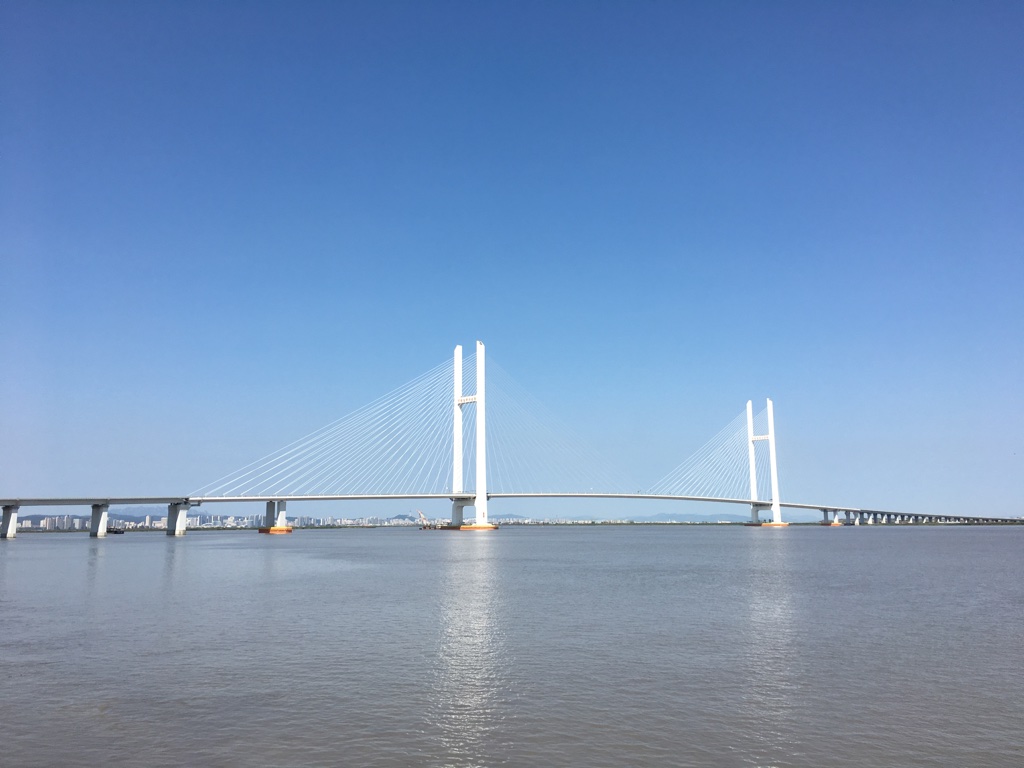
- The bridge was already open: Kim crossed the New Yalu River Bridge, linking Dandong with North Korea’s Sinuiju, nine days after it officially opened to traffic on Oct. 15. The visit did not inaugurate the bridge, despite some early headlines that described it that way.[4][1][3]
- Public statements signal intent, not a new pact: Chinese and North Korean accounts emphasized historic ties and wider practical cooperation. The reports reviewed here describe no new treaty, trade agreement or change to sanctions; any economic effect from the bridge remains to be measured.[1][2][3][5]
Kim visited the Chinese border city of Dandong on Saturday, Oct. 24, and met Wang Huning, a member of the Chinese Communist Party’s Politburo Standing Committee and chairman of the Chinese People’s Political Consultative Conference. Xinhua reported that Wang conveyed greetings from Chinese President Xi Jinping. The two visited a memorial to Chinese troops who fought alongside North Korea in the 1950–53 Korean War.[1][3][2]
North Korea’s state news agency, KCNA, confirmed the visit on Sunday, according to South Korea’s Yonhap News Agency. KCNA said Kim also attended a banquet hosted by Wang at Xi’s direction, visited a factory and returned home across the bridge. Xinhua and KCNA present the events through their governments’ official accounts; independent reporting confirms the trip and meeting, while many details of the itinerary come from those state reports.[2][1][3]
The New Yalu River Bridge opened to traffic on Oct. 15, connecting Dandong in China’s Liaoning province with Sinuiju in North Korea. Xinhua describes the crossing as a four-lane road bridge designed for two-way traffic; Yonhap reported it stretches about 3 kilometers and was completed in 2014, then left unused while North Korea’s connecting roads and customs facilities remained unfinished. The official opening came after more than a decade of delay.[4][5][6]
Kim’s crossing was therefore a high-profile use of newly opened infrastructure, not an opening ceremony. Chinese officials say the bridge should improve trade and people-to-people exchanges and ease limits on an older road-and-rail crossing. Those are stated aims: the sources reviewed do not yet provide post-opening traffic volumes or show that the new route has changed bilateral commerce.[4][5][6]
The visit fell a day before the anniversary observed by China and North Korea for Chinese forces’ 1950 entry into the Korean War. The memorial stop and both governments’ language about a friendship forged in war placed that history at the center of the visit. Kim’s trip was his first known visit to China since September 2025 and his sixth since taking power, Yonhap reported.[2][3]
The public message also pointed toward future cooperation. Xinhua quoted Wang urging wider trade and people-to-people exchanges and stronger strategic communication. AP reported that North Korea has deepened military cooperation with Russia in recent years, while China remains Pyongyang’s most important economic partner. The Dandong visit and bridge opening indicate renewed public emphasis on China–North Korea ties, but they do not by themselves establish a new strategic arrangement or confirm how much trade the bridge will carry.[1][3][2]