Culture & Media
Keffe D sentenced to 40 years to life in Tupac Shakur murder
The sentence closes the trial phase of a murder case that went unsolved for decades. Davis was convicted of orchestrating the killing, not of firing the shots; his lawyer challenged the evidence and Davis announced an appeal.
Executive summary
- A 40-years-to-life sentence: A Clark County judge sentenced Duane ‘Keffe D’ Davis to consecutive terms of 20 years to life for first-degree murder and use of a deadly weapon. The Associated Press reported that credit for time served still leaves him ineligible for parole until about age 100.[1][2][3]
- Davis says he will appeal: Davis told the judge he planned to appeal. His defense argued at trial that the prosecution lacked physical evidence placing him in the car and that his accounts of the killing were unreliable. The conviction is the jury’s verdict; the defense position is not a court finding.[2][1]
- The sentence does not resolve every question: Prosecutors said they did not have enough evidence to charge anyone else in Shakur’s killing. Davis was convicted of orchestrating the attack; reporting on the trial says he was not accused of being the gunman. The identity of the shooter and any further charges remain unresolved in the public accounts reviewed.[1][2][3]
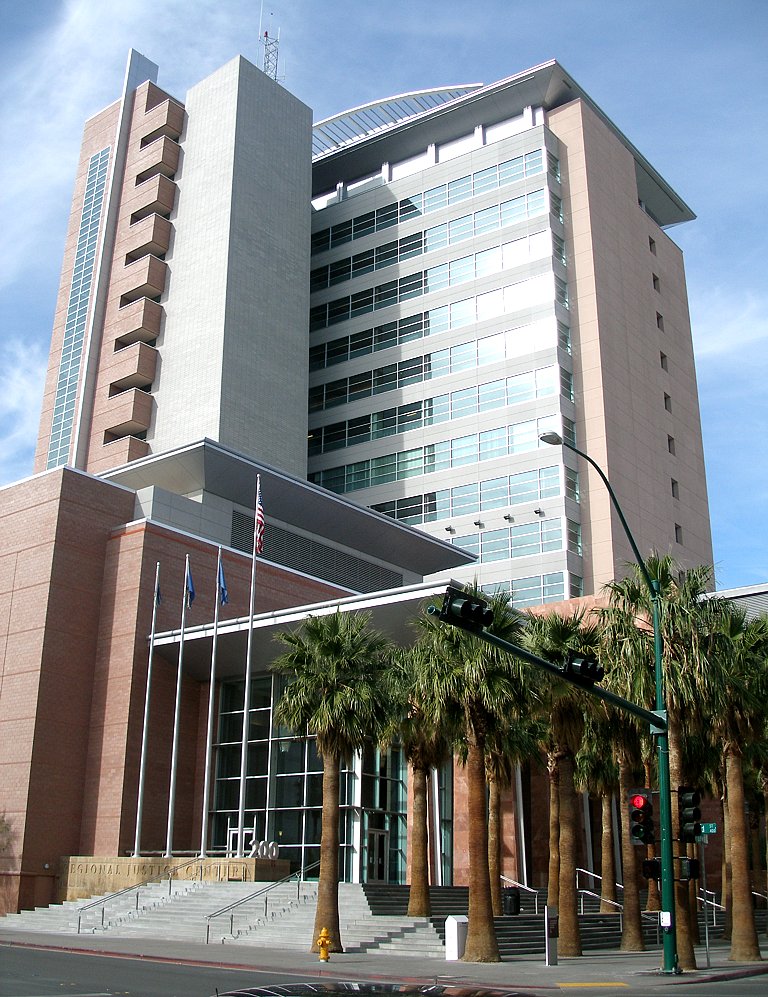
Clark County District Court Judge Carli Kierny sentenced Duane ‘Keffe D’ Davis on Oct. 13 to 20 years to life for first-degree murder, followed by a consecutive 20 years to life for the deadly-weapon enhancement, for a combined sentence of 40 years to life. The Associated Press and the Los Angeles Times reported the sentence after attending the hearing; The Washington Post also reported that the terms run consecutively.[1][2][3]
Davis, 63, was convicted in August of first-degree murder with use of a deadly weapon for orchestrating the 1996 drive-by shooting that killed rapper Tupac Shakur. The Associated Press reported that, even with credit for time already served, Davis would not be eligible for parole until he is about 100. The sentence marks the end of the trial and sentencing proceedings reported this week, but it is not the end of Davis’s legal challenge.[1][2][3]
Before the sentence, Shakur’s sister Sekyiwa spoke about the loss and its effects on the family, the Los Angeles Times reported. Judge Kierny said Shakur’s death had taken a future from his family and that the world had not forgotten him. The family’s statements conveyed the continuing personal cost of the killing; they do not alter the jury’s findings or the separate question of Davis’s appeal.[2][1]
Prosecutors argued Davis arranged the attack after Shakur and members of his entourage fought Davis’s nephew, Orlando Anderson, at a Las Vegas hotel earlier that night. The evidence reported at trial included Davis’s statements to investigators, media interviews and a memoir. The Los Angeles Times reported that Davis’s lawyer argued there was no forensic or eyewitness evidence placing Davis in the car and described his accounts as unreliable. Davis was convicted of orchestrating the killing, not of personally firing the shots.[2][1][3]
Davis told the judge he would appeal, according to the Los Angeles Times. The conviction therefore remains subject to appellate review. A sentence resolves the punishment ordered by the trial court; it does not itself decide any appeal or establish the guilt of other people who were discussed during the investigation.[2][1]
The Associated Press reported that Clark County District Attorney Steve Wolfson said his office did not have enough evidence to charge anyone else in Shakur’s death. Davis was the only person charged in the killing, according to AP’s account. That does not establish that every possible participant has been identified, nor does it convert allegations made during years of interviews into findings against others.[1][3]
Shakur was shot in Las Vegas on Sept. 7, 1996, and died six days later at age 25. The case remained unsolved for decades before Davis was charged in 2023 and convicted in 2026. The verdict and sentence give the case a legal outcome against Davis, while his announced appeal and prosecutors’ stated lack of evidence against others leave distinct questions open.[1][2][3]