World Affairs
Iranian officials tell Reuters of plans to target Gulf cables
The reported contingency is a warning, not evidence of an attack or a demonstrated ability to sever the systems. Industry experts say the Strait matters most to Gulf connectivity, not the global internet.
Executive summary
- What officials told Reuters: Two senior Iranian security officials told Reuters that Tehran had made plans to target undersea communications cables in the Gulf if U.S. or Israeli strikes on Iran resume. One said the aim would include preventing repairs and prolonging outages. Reuters reported the officials offered few details and did not identify how or where any attack might occur.[1]
- A public warning came first: On Oct. 21, IRGC deputy political-affairs chief Yadollah Javani warned publicly that cables beneath the Strait of Hormuz could be targeted if Iranian infrastructure were attacked. That statement establishes a threat in public remarks; it does not independently verify the specific contingency plan described anonymously to Reuters.[2][1]
- Likely impact is regional: The International Cable Protection Committee says five active cable-system segments cross the Strait and less than 1% of global international bandwidth traverses it. Gulf states could face serious connectivity disruption, but available routing alternatives make claims of a global internet blackout unsupported.[3]
Reuters reported on Oct. 23 that two senior Iranian security officials described plans to hit undersea communications cables in the Gulf if U.S. or Israeli strikes against Iran resume. One official said the intended effect would include blocking repair work to extend outages. Reuters said the sources provided few details and did not say how or where cables might be attacked. The U.S. State Department and Iran’s foreign ministry did not respond to Reuters’ requests for comment, the report said.[1]
The report is an account of what anonymous officials said about a contingency. It does not establish that an operation has begun, that any cable has been damaged, or that Iran has demonstrated the ability to cut these systems. Reuters did not report an attack or outage.[1]
A day-and-a-half before Reuters’ report, IRGC deputy chief for political affairs Yadollah Javani said in an interview aired by Iran’s Al-Alam television that undersea internet cables beneath Hormuz could be targeted if Iranian infrastructure were attacked. Iran’s state-affiliated Tasnim news agency reported his comments. Javani referred to seven major cables; that figure is his claim, while the International Cable Protection Committee currently lists five active cable-system segments crossing the Strait.[2][3]
The distinction matters: the public remarks are a conditional warning by a named military official, while the later, more specific description of a plan came from unnamed officials speaking to Reuters. Neither source establishes a decision to carry out an attack.[2][1]
The International Cable Protection Committee says the Strait is important for regional Gulf connectivity but carries less than 1% of global international bandwidth. Its current overview identifies five active cable-system segments in the Strait and says networks are designed with alternative submarine and terrestrial routes. That redundancy could limit broader effects, although rerouting does not mean Gulf users or services would be unaffected.[3]
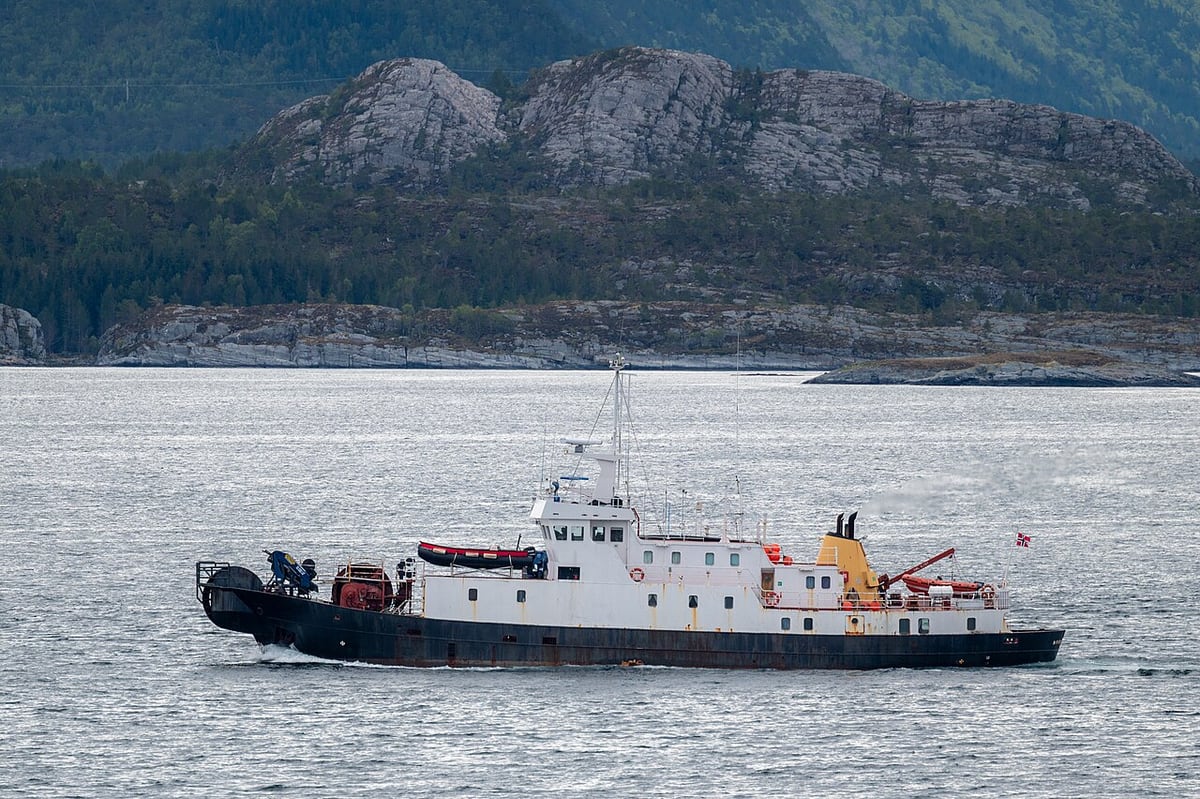
The reported focus on preventing repairs points to a different vulnerability: outages can last longer when repair ships cannot safely reach damaged infrastructure. This archival photograph shows the Norwegian cable-laying vessel Nordkabel off Helgeland in 2023. It is unrelated to the Gulf, the reported plans and any current operation.[1]