World Affairs
Iran says U.S. reply to Hormuz conditions leaves key issues unclear
Mohsen Rezaei’s statement adds a new account of Washington’s response, but the U.S. terms and Iran’s seven conditions remain unpublished. The report describes an unresolved exchange, not an agreement to reopen the waterway.
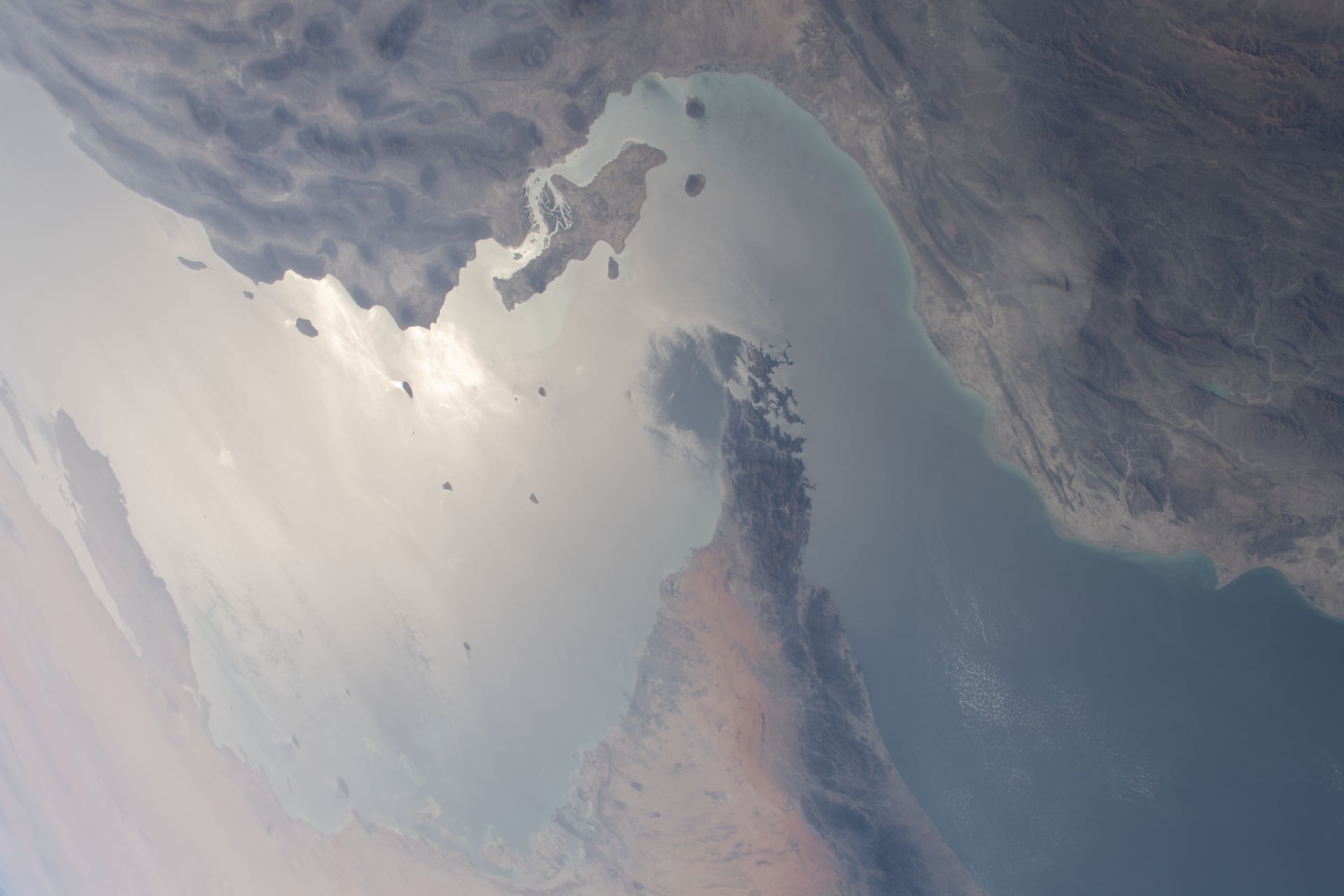
Executive summary
- Tehran says some terms were accepted: Iran’s Supreme National Security Council secretary, Mohsen Rezaei, said Washington accepted some of Tehran’s seven conditions for ending the war and reopening the Strait of Hormuz, while other points remained ambiguous. Iran’s state news agency IRNA carried his interview; Reuters and the Associated Press also reported the statement. Neither side published the U.S. response or the full conditions.[1][2][3]
- No agreement or timetable disclosed: Rezaei said Iran would not reopen the strait to the United States or resume negotiations until its conditions were met, while also saying Tehran had not abandoned diplomacy. His comments describe Iran’s position; they do not establish U.S. acceptance, an agreed sequence or a working ceasefire.[1][2][3]
- The conditions remain unpublished: An earlier statement by parliament speaker Mohammad Baqer Qalibaf also invoked seven conditions linked to a June memorandum but did not list them. The new account says some were accepted and others unclear, without resolving what they are or what Washington offered.[4][5][6][1]
Mohsen Rezaei, secretary of Iran’s Supreme National Security Council, said Sunday that the United States had responded to seven Iranian conditions for ending the war and reopening the Strait of Hormuz. He said Washington accepted some points but left others ambiguous. Iran’s state-run IRNA published his account of an interview with Press TV; Reuters and the Associated Press also reported it. The U.S. response and the full seven conditions were not made public in the accounts reviewed, and the White House did not immediately respond to Reuters’ request for comment.[1][2][3]
Rezaei said Iran would not reopen the strait to the United States or return to negotiations until the conditions were met. He also said Tehran had not abandoned diplomacy, while describing its approach as changed. These remarks state Iran’s position; they do not show that Washington accepted the conditions as a package or that both governments agreed on terms, a timetable or an enforcement mechanism.[1][2]
The statement adds a new layer to the public record. On Oct. 4, parliament speaker Mohammad Baqer Qalibaf said reopening depended on seven conditions tied to the Islamabad memorandum but did not enumerate them. Rezaei’s later account says the U.S. has accepted some and left others unclear, but still gives no list that can be compared with Washington’s proposal. Earlier reporting on this page documents the preceding exchange and the limits of what was disclosed.[4][5][6][1]
Qalibaf said the strait would not reopen until seven Iranian conditions based on the Islamabad Memorandum of Understanding are met. Iran's Nournews news agency reported the remarks; Reuters and EFE also reported the statement. Qalibaf did not enumerate the seven conditions in the quoted remarks, so the public statement does not supply a checklist that can be compared with Washington's proposal.[4][5][6]
Qalibaf also said the United States had recently put forward proposals through a mediator. EFE reported Iran said it received the latest U.S. proposal through Qatar. The accounts do not disclose the proposal's terms, establish that the United States accepted Tehran's conditions or show an agreed sequence for implementation.[5][6]
The new statement follows the reported exchange covered here on Sept. 30, when Iran said Foreign Minister Abbas Araghchi had presented Washington's response to President Masoud Pezeshkian. AP and Reuters reported that earlier step; neither side published the response's terms. Rezaei later said Washington had accepted some of the seven conditions but left others unclear; neither account discloses their full terms or shows an agreement.[7][8][4][6]
Qalibaf's statement describes Iran's negotiating position; it does not establish the strait's legal status, the terms of an international agreement or the operating conditions for every vessel. Reuters reports that traffic remains below prewar levels while vessels continue to transit. A political statement about reopening should not be read as proof that all passage has stopped.[6]
Iran's earlier seven-day proposal, reported by AP, conditioned reopening on a ceasefire including Lebanon and steps concerning the U.S. blockade of Iranian ports and oil sanctions. Those publicly reported elements of the earlier offer are not confirmed as the complete seven conditions Qalibaf referenced today. No public text reconciles the two formulations.[9][4][6]
The next verifiable markers are publication of the seven conditions or U.S. response, a mediator's account of an agreed sequence and confirmation from both governments that any terms have been accepted. The available reporting shows no agreement or implementation timetable.[7][8][9][6]