Climate & Environment
Google and McKinsey back Brazil silvopasture carbon-removal project
The agreement covers future removals from trees integrated with active pasture. The companies describe a decade-long purchase; the volumes differ by whether McKinsey’s share is included.
Executive summary
- A long-term purchase, not removals already delivered: Google says it agreed to buy 270,000 metric tons of carbon removal from Working Trees through the Symbiosis Coalition. Reuters reports Google and McKinsey together agreed to 320,000 tons over 10 years. Both figures describe contracted future removals, not carbon already taken from the atmosphere.[1][2]
- Trees would be added to working cattle land: The project plans to integrate trees into active pasture in Brazil’s Amazon and Cerrado regions. Reuters says the wider project covers 50,000 hectares, including an initial 8,700 hectares of degraded or semi-degraded pasture.[1][2]
- The climate value depends on delivery and accounting: The agreements are part of corporate demand for carbon removal. Project outcomes, durability and the relationship to buyers’ own emissions reductions remain questions for future monitoring; an announcement alone does not establish delivered removals.[1][2]
Google says its agreement through the Symbiosis Coalition will purchase 270,000 metric tons of carbon removal from Working Trees. Reuters reported a combined commitment of 320,000 tons from Google and McKinsey over 10 years. The figures are not necessarily contradictory: the company’s post describes Google’s share, while Reuters includes both buyers. Neither figure means the carbon has already been removed.[1][2]
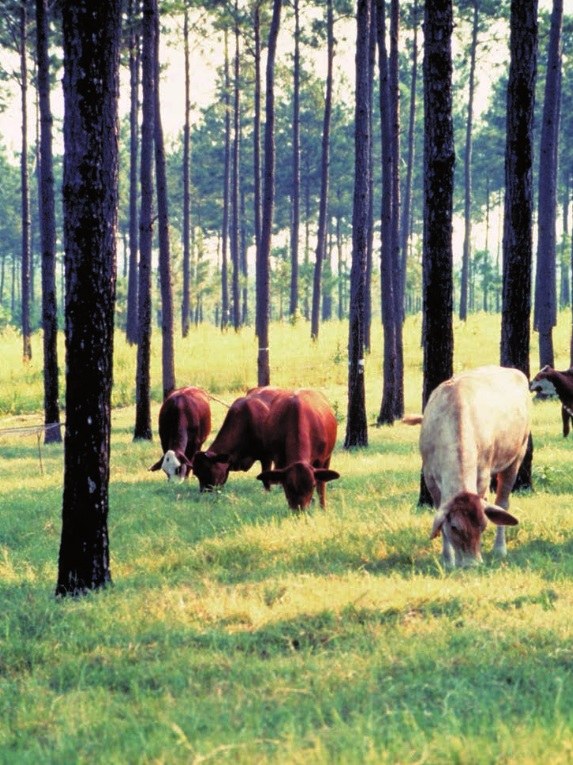
Working Trees plans to plant and manage trees in cattle pasture rather than convert the land out of livestock use. Reuters reports that the broader project is planned across 50,000 hectares in Brazil, starting with 8,700 hectares of degraded or semi-degraded pasture in the southeastern Amazon and Cerrado. Google says the approach is silvopasture, combining trees and grazing.[1][2]
Google says the tree plantings are intended to produce carbon-removal credits while maintaining cattle production, with potential co-benefits such as shade and additional farm income. These are project and company claims. The announcement does not report verified quantities already removed or establish how those benefits will be measured across the project.[1][2]
The agreement adds to corporate purchasing aimed at scaling carbon removal, including for hard-to-abate emissions. Reuters also reported that critics worry offsets can let companies rely on credits instead of cutting their own emissions. The contract’s significance will depend on whether removals are delivered, independently quantified and durable, alongside buyers’ direct emissions reductions.[2][1]