World Affairs
139 migrants reported dead after boat capsizes off Djibouti
The boat capsized near Guhere during the night of Oct. 8–9, according to survivors' accounts to IOM. The agency's latest toll includes people buried by local authorities; it warned its count could change as remains are verified.
Executive summary
- Latest reported toll: The International Organization for Migration said Sunday that at least 139 people had died, 84 remained missing and about 82 survived after a boat carrying 305 people capsized off northern Djibouti. The survivors were Ethiopian nationals, the agency said.[1][2]
- The count may change: IOM's Djibouti mission chief told the Associated Press that the 139 figure counted people buried by authorities. Other bodies would not be included until authorities verified them, he said. The agency and local authorities were still assisting survivors and searching for missing people.[1][2]
- A dangerous migration corridor: IOM's Missing Migrants Project recorded 922 people dead or missing on the Eastern Route in 2025, including movements from the Horn of Africa through Djibouti toward Yemen and Gulf countries. Those route-wide figures are not a measure of this single shipwreck.[3][4][5]
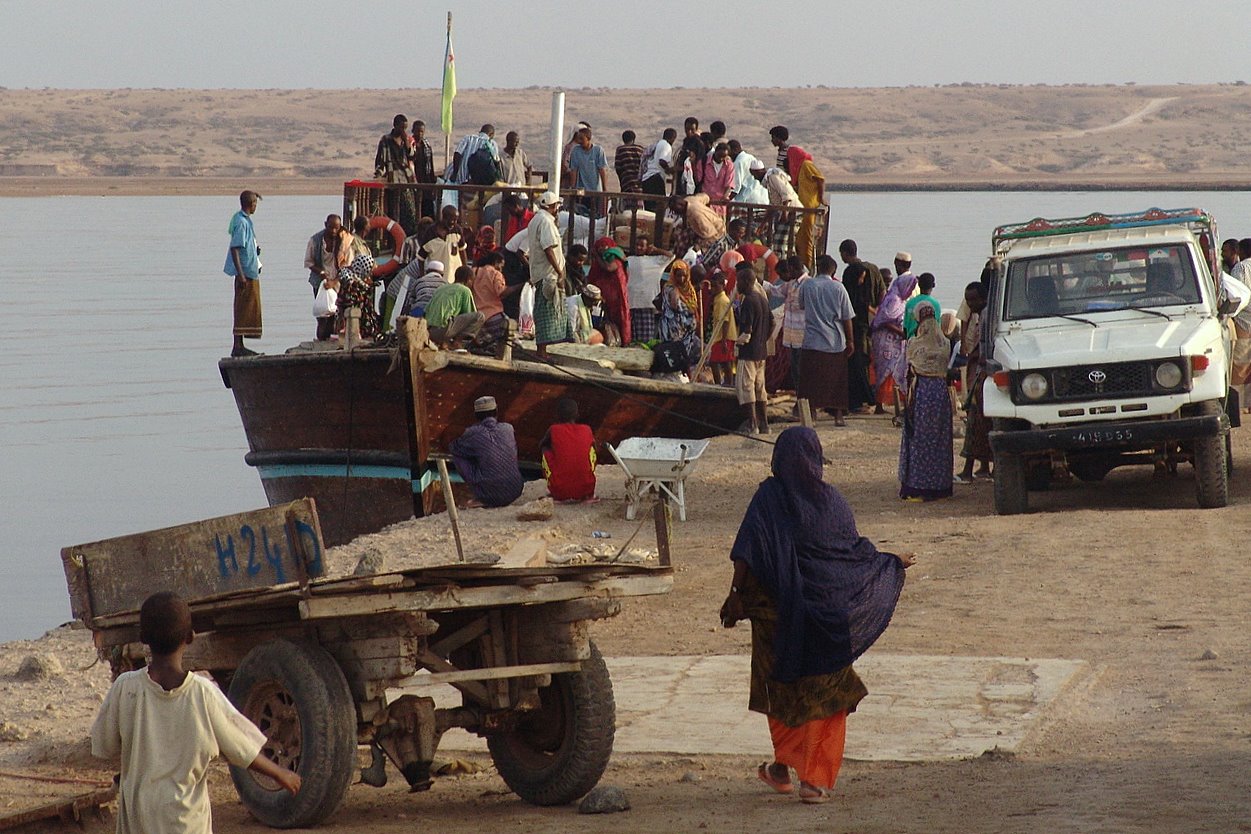
IOM said the vessel was carrying 305 people from Djibouti toward Yemen when it capsized near Guhere, north of the port town of Obock, during the night of Oct. 8–9. The agency cited survivor accounts. It said 139 people had died, 84 remained missing and around 82 survived; its reports identified the survivors as Ethiopian nationals. The figures account for those aboard and should be read as a developing toll, not a final identification of everyone affected.[1][2][6]
Alexandre Coissac, IOM's chief of mission in Djibouti, told AP the agency's death count included people buried by local authorities. Other migrants had been buried by fellow travelers, but their remains would not be added to the official toll until authorities could verify them. The distinction means the published number is a confirmed count under the agency's reporting method, not necessarily the full number of people who died.[1]
IOM said it was working alongside Djiboutian authorities as search-and-rescue operations continued. Its Obock migrant response center was providing medical care and other assistance to survivors. Reuters reported that the Ethiopian government had not immediately responded to a request for comment and that Djibouti's government could not immediately be reached. The reports reviewed did not provide a final account of the missing or the identities of all those aboard.[1][2]
The IOM account describes the boat as overcrowded, with survivors telling the agency it began sinking shortly after departure. AP quoted Coissac as saying overcrowding was the main apparent cause. No independent technical inquiry or official finding on the cause was reported by Sunday, so the initial accounts do not establish a complete reconstruction of how the vessel sank.[1][7]
Migrants travel from the Horn of Africa through Djibouti and across the Bab el-Mandeb Strait to Yemen, with some seeking work in Gulf states. The route is also used in the opposite direction by people fleeing Yemen. IOM's Missing Migrants Project recorded 922 deaths and disappearances on the Eastern Route in 2025, up from 558 in 2024. The route-wide count combines different incidents and locations; it does not make the Djibouti capsize representative of every crossing.[3][4][1][5]
At a February 2026 U.N. briefing, IOM said the actual number of people who died or went missing on migration routes in 2025 was likely higher than the number reported. The agency's route figures are therefore documented minimums, not a complete census of everyone lost at sea.[5][4]