U.S.
Cornell suspends IFC-house events through 2026–27 academic year
The immediate directive also calls for a dedicated survivor case manager and a New York State Police role in investigating campus sexual-assault allegations during an independent review.
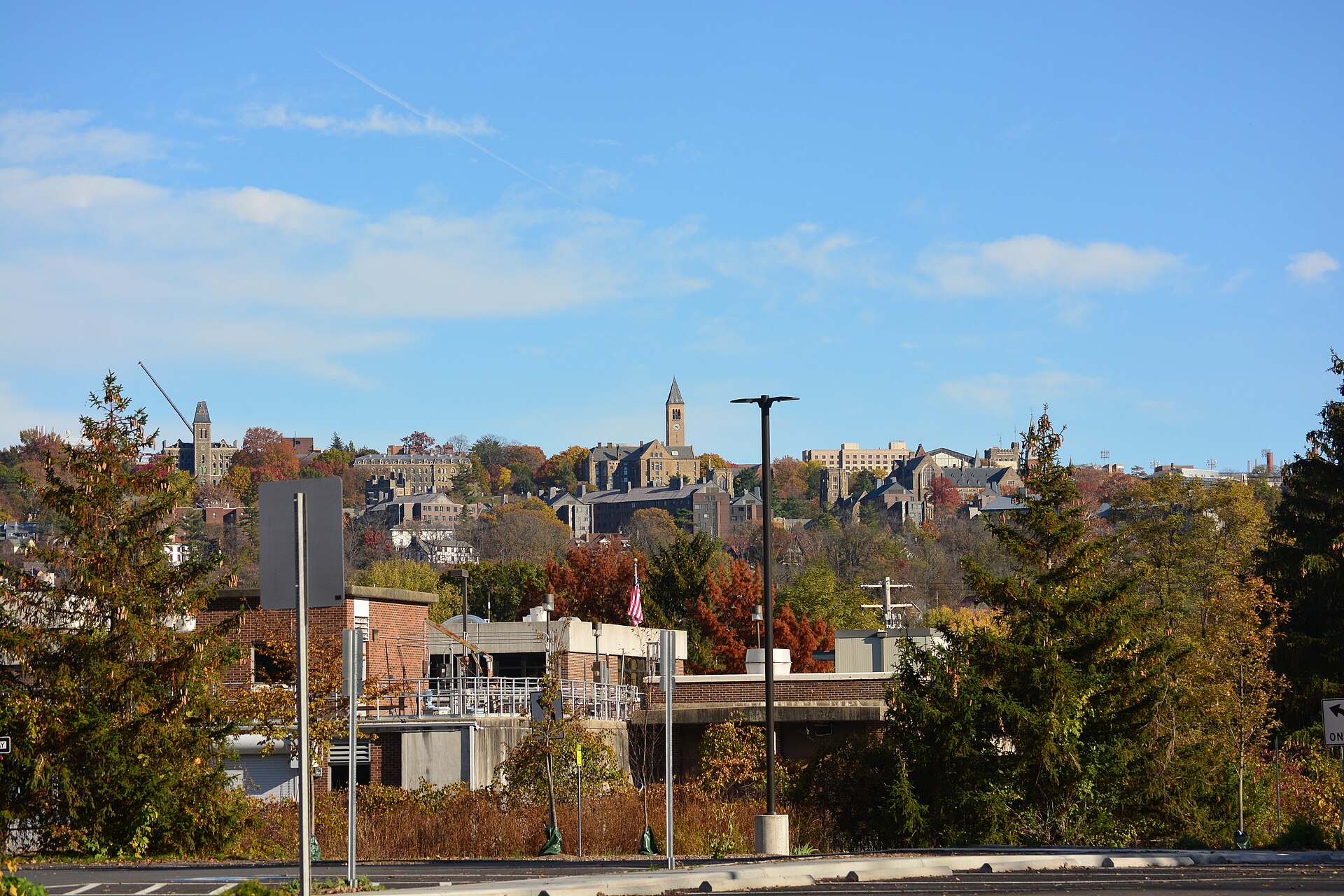
Executive summary
- A defined scope: Cornell President Michael Kotlikoff suspended all parties and social events in Interfraternity Council houses for the rest of the 2026–27 academic year. A fraternity that holds an in-house event would face an immediate emergency suspension. The directive does not describe a campus-wide ban or address off-campus gatherings.[1][2][3]
- State investigators and survivor support: Cornell said it is working with New York State Police so independent, trauma-informed investigators can interview survivors who choose to pursue criminal charges and prepare investigative summaries for the appropriate law-enforcement agency. Cornell also plans to add a dedicated case manager and staff supporting people who report sexual misconduct.[1][2][4]
- The case remains unresolved: The measures followed criticism of Cornell’s response to a former student’s allegations about an October 2024 fraternity-house incident, which are the subject of a civil lawsuit filed in September. The Associated Press reported that no criminal charges had been filed against the men named in the suit and that they denied the allegations.[1][2][5]
Cornell President Michael Kotlikoff announced on Oct. 13 that all parties and social events in Interfraternity Council houses would be suspended immediately through the remainder of the 2026–27 academic year. He said a fraternity holding an in-house event would receive an immediate emergency suspension. The university described the pause as time to review fraternity life and determine whether and how it can safely continue.[1][6][4]
The rule is limited to events in IFC houses. Cornell’s statement does not announce a campus-wide ban on student gatherings or say that off-campus events are covered. The Washington Post likewise reported that the directive does not address off-campus gatherings. Cornell said it would work with students and faculty on safer social alternatives while the review proceeds.[1][2][3]
The university also said it is working with the New York State Police to make experienced, trauma-informed criminal investigators available to investigate campus sexual-assault allegations. Under Kotlikoff’s plan, investigators would interview survivors who elect to pursue criminal charges and prepare comprehensive summaries for the appropriate law-enforcement agency. Cornell said the arrangement would be in place for the duration of the independent review led by former U.S. Deputy Attorney General Sally Yates.[1][2][5]
Cornell said it would add staff to its Office of Civil Rights, including a case manager to help people reporting sexual misconduct navigate university processes such as housing, academic accommodations and financial aid. It also plans additional victim-advocate support and prevention programming. The measures supplement the independent review announced by Cornell’s Board of Trustees on Oct. 6.[1][6][4]
The policy announcement came amid protests and criticism tied to a former student’s account of an alleged sexual assault at a Cornell fraternity house in October 2024. She filed a civil lawsuit in September accusing several men and the university. The claims remain allegations: the Associated Press reported that no criminal charges had been filed against the men named in the lawsuit and that they denied the accusations.[2][5][4]
Cornell’s announcement combines restrictions on a defined set of fraternity-house events with changes to investigation and survivor support. The university has not said how it will measure whether the measures improve safety, and its statement leaves off-campus gatherings outside the directive’s stated scope. Those implementation questions will shape what the year-long pause changes beyond the houses themselves.[1][2][3]