Business & Markets
Bank of England says financial risks are more interconnected
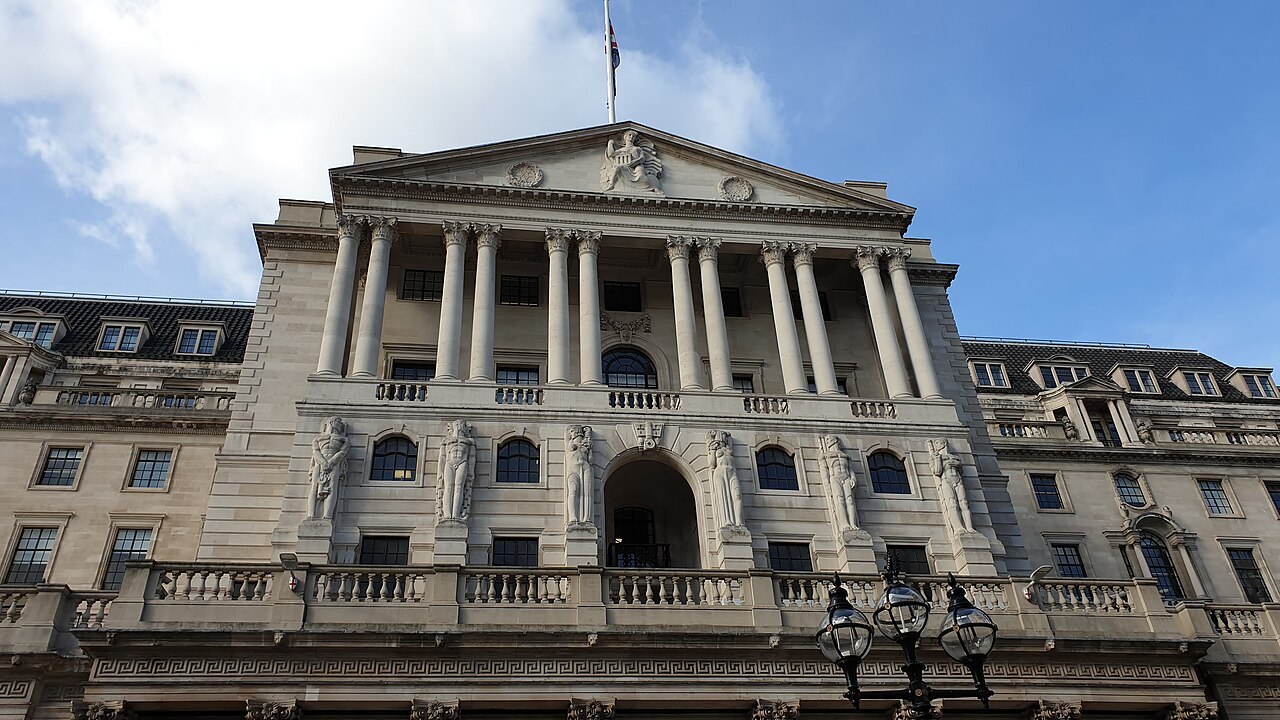
The committee says markets and UK banks remain resilient, but warns that sovereign debt, risky asset valuations and credit stress could reinforce one another. It kept the countercyclical capital buffer at 2%.
Executive summary
- What changed: The Financial Policy Committee says the likelihood that vulnerabilities in sovereign debt, risky asset valuations and credit markets crystallize at the same time has increased since its July meeting.[1][2]
- Why AI is in the assessment: The committee says rising AI-related borrowing exposes a wider set of investors and funding markets to AI expectations. It flags opacity and complex financing structures as risks, while noting the financial system has so far remained resilient.[1][2]
- Policy and resilience: The FPC kept the UK countercyclical capital buffer at 2%. It judged households and companies resilient and said UK banks remain well capitalized and liquid.[1]
The Bank of England’s Financial Policy Committee said on September 30 that the chance of interconnected financial vulnerabilities materializing together had risen since its previous assessment in July. In its record of a September 25 meeting, the committee pointed to the renewed Middle East conflict, uncertainty over growth and interest rates, and pressure across sovereign debt, risky asset valuations and credit markets. Reuters reported the same warning as the record was released.[1][2]
The committee said higher oil, gas and refined-product prices were prolonging a negative supply shock and had helped push sovereign yields in several advanced economies to levels not seen since 2008. Its concern is that a further repricing could interact with leverage and weaker credit conditions, spreading stress across markets rather than remaining contained in one asset class.[1][2]
The FPC’s assessment is a warning about how risks could interact, not a statement that a crisis is underway. It said market adjustments had so far been mostly gradual and the financial system had remained resilient to higher sovereign yields.[1][2]
The committee said the rapid growth of AI-related debt issuance means developments in the sector can affect more investors and funding markets. It highlighted opaque financing and, in some cases, circular arrangements as obstacles to assessing where risks sit and how losses could spread if expectations for AI earnings or investment disappoint.[1][2]
The FPC cited a Morgan Stanley estimate that global AI-related debt issuance had reached about $450 billion as of early September, more than twice the total for 2025. That is an analyst estimate included in the committee’s record, not a Bank of England measurement. The report also linked AI investment expectations to sovereign debt: a reassessment of anticipated productivity gains could affect both AI valuations and government borrowing markets.[1][2]
Recent losses in AI and semiconductor shares illustrate one channel, but the committee said July’s repricing did not spill over into core markets or create broader systemic stress. It described the risk of a sharper correction as persistent, particularly if expectations for AI earnings or adoption change materially.[1][2]
The FPC left the countercyclical capital buffer, which sets capital banks can draw on during stress, at its neutral 2% level. It said UK household and corporate vulnerabilities were broadly unchanged and judged the banking system appropriately capitalized, with high liquidity. Those conditions provide resilience but do not remove the international market risks in the committee’s assessment.[1][2]
The record also keeps the Bank’s planned work on gilt-repo resilience and leverage in view. The practical test will be whether energy-related inflation, higher government borrowing costs or a change in AI investment expectations makes the currently separate pressures reinforce one another. The committee said it would continue monitoring those links.[1][2]