World Affairs
Bahrain says it intercepted Iranian attacks as Iran claims radar strike
The IRGC framed the operation as retaliation for U.S. strikes. Bahrain reported interceptions without identifying a target site, while U.S. Central Command said there were no impacts to American forces.
Executive summary
- Bahrain reports interceptions: Bahrain's military said air defenses intercepted and destroyed several Iranian aerial attacks on Sunday before they reached their targets. The statement did not identify the targets or give a count.[1]
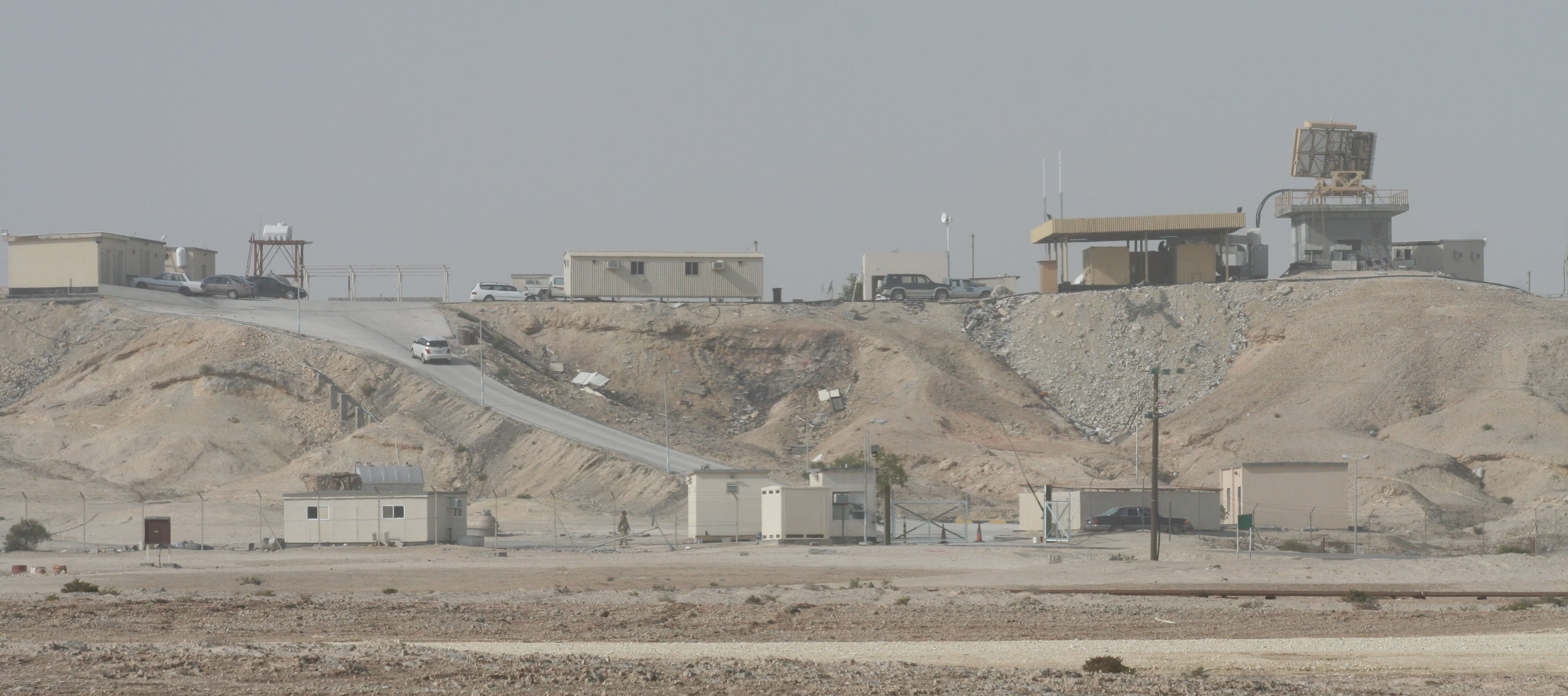
- Iran claims a radar strike: Iran's Islamic Revolutionary Guard Corps said six drones targeted a U.S. radar at Riffa Air Base and claimed the strike succeeded. Bahrain said several attacks were intercepted without identifying a site; its statement did not assess the radar's condition.[2][3][4]
- U.S. forces reported no impact: U.S. Central Command spokesman Tim Hawkins told The Washington Post there were no impacts to American forces. That statement addresses U.S. personnel and does not specify the condition of the radar equipment.[4]
Bahrain said Sunday its air defenses intercepted and destroyed several Iranian aerial attacks before they reached their targets. Iran's Revolutionary Guard separately claimed it struck a U.S. radar at Riffa Air Base, near Al-Riffa; Bahrain's statement did not identify the site or assess damage there.[1][2][4]
The Guard said six drones targeted the radar and described the operation as successful, according to a statement carried by Iran's Tasnim News Agency. The Washington Post identified Riffa Air Base as the site named by the Guard. Tasnim's report gave no damage assessment or casualty count.[2][4]
Bahrain's Foreign Ministry said the aerial attacks were intercepted and condemned what it called continued Iranian aggression. It said the Guard had claimed responsibility, rejected Tehran's stated justifications and held Iran responsible. The ministry said Bahrain had invoked Article 51 of the United Nations Charter and asked the Security Council to condemn the attacks.[3]
U.S. Central Command spokesman Tim Hawkins told The Washington Post that there were no impacts to American forces. The statement did not say whether radar equipment or other property was damaged, and Bahrain had not answered the newspaper's question about damage at the site.[4]
Bahrain's Interior Ministry issued two public alerts Sunday directing residents to safe locations as sirens sounded, Reuters reported.[5]
Sunday's episode followed a separate reported attack on Friday, Nov. 13. Bahrain's Foreign Ministry said two drones were intercepted that day; CENTCOM said it had intercepted two Iranian drones heading toward Bahrain and denied the Guard's claim that it struck an early-warning radar.[3][6]
The IRGC cast Sunday's operation as a further phase of retaliation for U.S. strikes on Iran, The Washington Post reported. The Emirates Policy Center's president, Ebtesam Al-Ketbi, warned that continued attacks could heighten the risk of regional escalation and miscalculation, the newspaper reported.[4]
Reuters reported that Sunday's public threat alerts were Bahrain's first since September.[5]